15+ Modern Bathroom Accessories Names List with Pictures: Ultimate Indian Home Essentials Guide
September 9, 2026
Your bathroom might be one of the smallest spaces in your house, but let’s be honest, it holds the biggest…

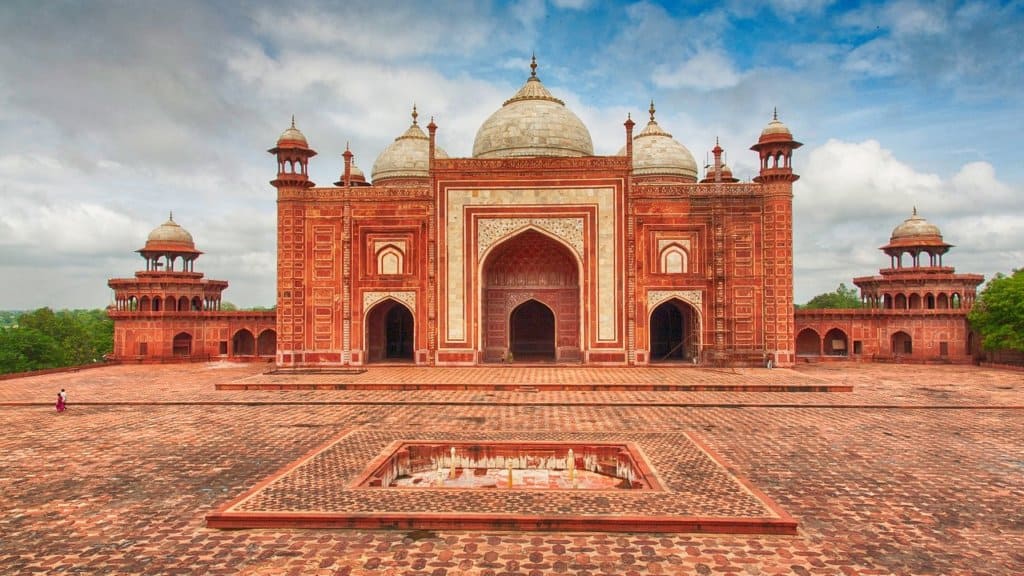
Have you ever stood in front of a massive, ancient building or even a super slick glass skyscraper in Mumbai or Bangalore and just thought, wow, how on earth did humans build this back then? But what is architecture, and how did so many different styles develop across the country?
Architecture is more than simply designing and constructing buildings. It reflects the history, culture, climate, materials, technology, and beliefs of the people who built them. This is exactly what makes the types of architecture in India so diverse. Different dynasties, religions, regional communities, and colonial influences have all contributed to the way Indian buildings look and function today.
From Vijayanagara and Hoysala temples to Mughal monuments, Rajput forts, Portuguese-Goan churches, Bengal terracotta temples, and modern Indian architecture, each style has its own distinctive features and story.
In this guide, we’ll explore 15 major architecture styles in India, their key characteristics, historical influences, and the famous structures that represent them.
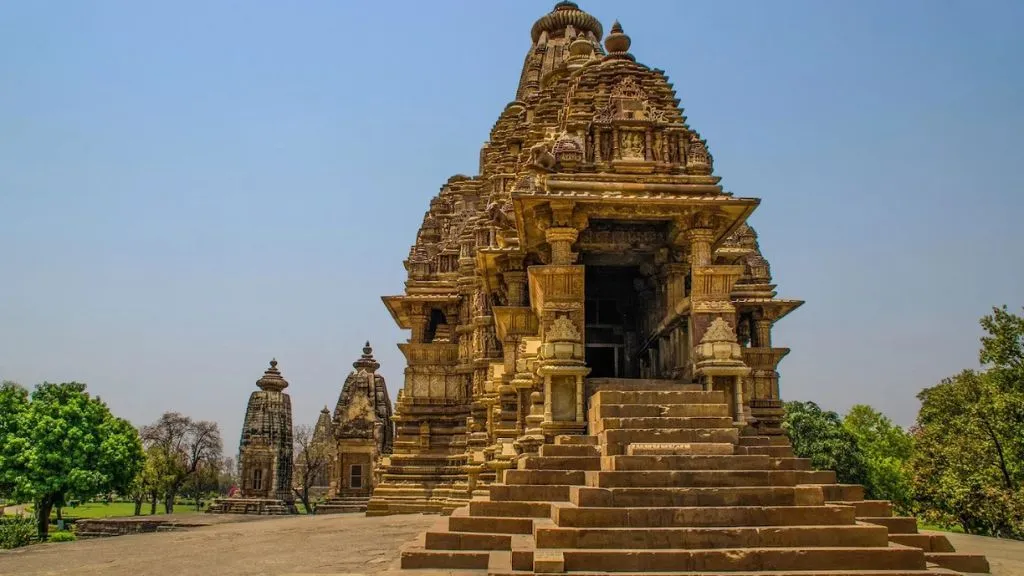
Temple design has been around since ancient times, but it isn’t uniform. The style shifts completely based on geography and climate. Generally, you have three main buckets: the Nagara (Northern style with tall spires), the Dravida (Southern style with stepped pyramids), and the Vesara style.
The Vesara style, which flourished mostly in medieval Karnataka, is a fascinating hybrid. It basically takes the best parts of both Northern and Southern designs, blending broad circular walls with pyramidal storeys.
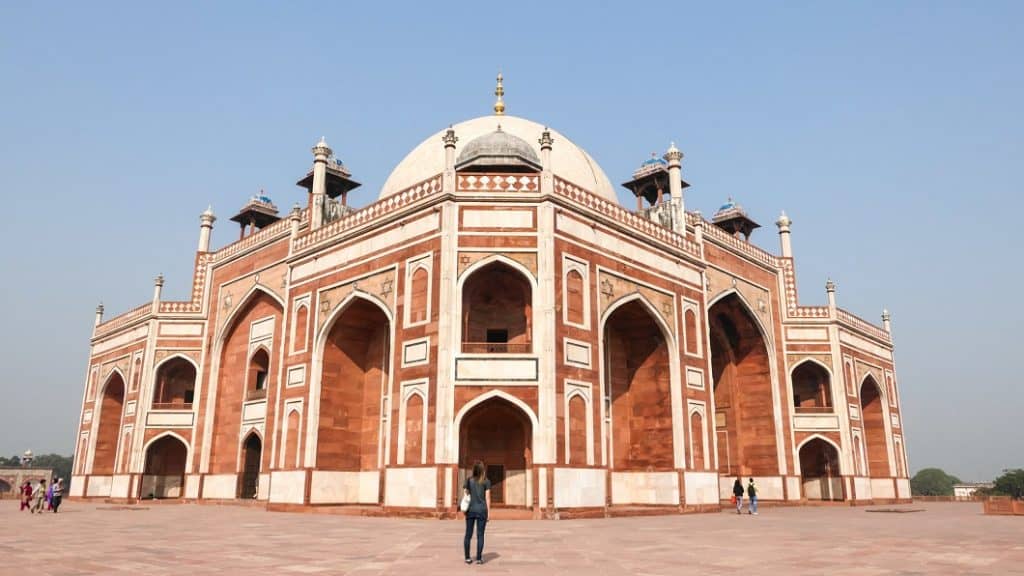
Arriving around 1526, the Mughals introduced a stunning mix of Islamic, Persian, and native Indian design elements. They loved symmetry. If you look at iconic spots like the Red Fort in Delhi or Humayun’s Tomb, you’ll notice perfectly balanced structures, grand bulbous domes, massive minarets, and delicate marble inlay work that still looks flawless centuries later.
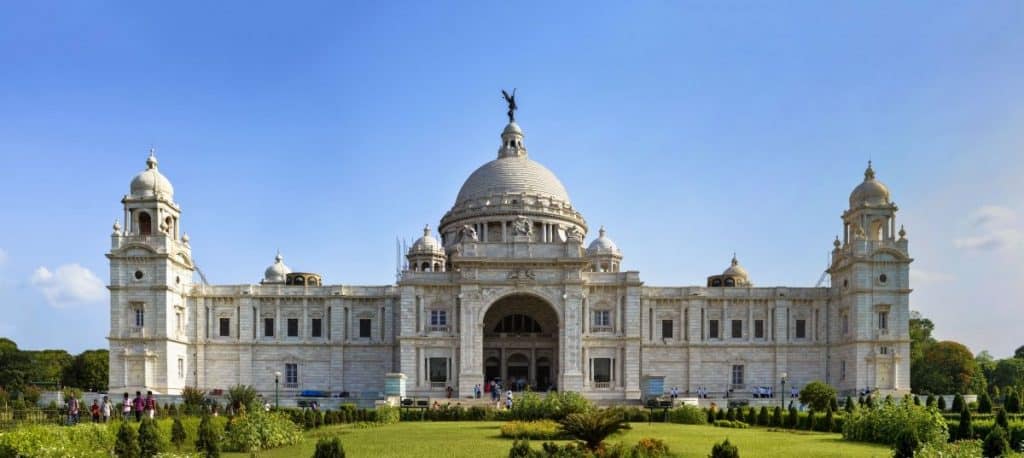
This brilliant type of architectural style is a movement by British architects. It is a fusion of Indo-Islamic and Indian architecture. This type of architecture has several names such as Neo-Mughal, Mughal-Gothic, Indo-Gothic, and Hindu-Gothic architecture. This architectural style takes exotic elements from the native Indo-Islamic architecture and Indian architecture and combines them with Gothic revival styles from Victorian Britain and Neoclassical styles.
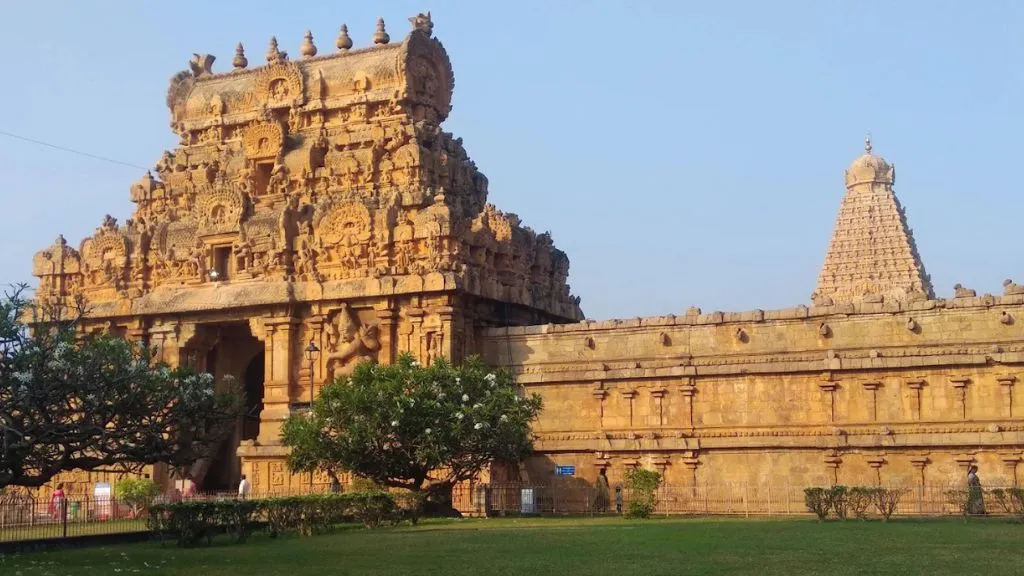
An evolved branch of Dravidian style, Chola architecture is defined by sheer scale and structural genius. Instead of massive entry gates (Gopurams), the Cholas focused on making the central temple tower (Vimana) insanely tall and heavy. The capping stone (Shikhara) at the top of the Brihadisvara Temple, for example, is a single massive block of granite weighing around 80 tonnes.
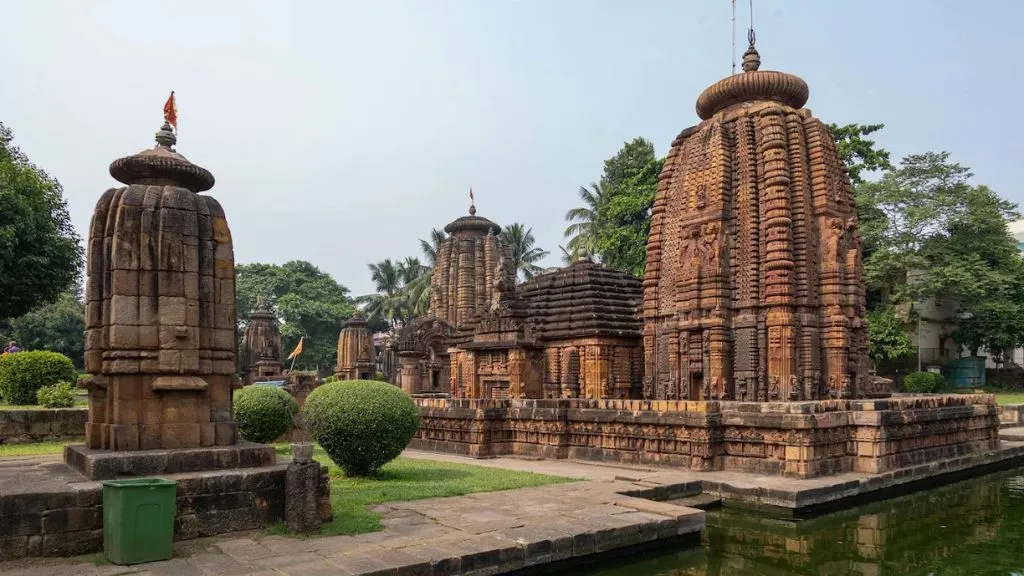
Mainly thriving in ancient Odisha and northern parts of Andhra Pradesh, Kalinga architecture is incredibly unique. These structures are divided into specific design categories like Khakhara Deula and Rekha Deula. Every single layout is strictly bound by ancient iconographic rules and architectural stipulations meant to honor local legends.
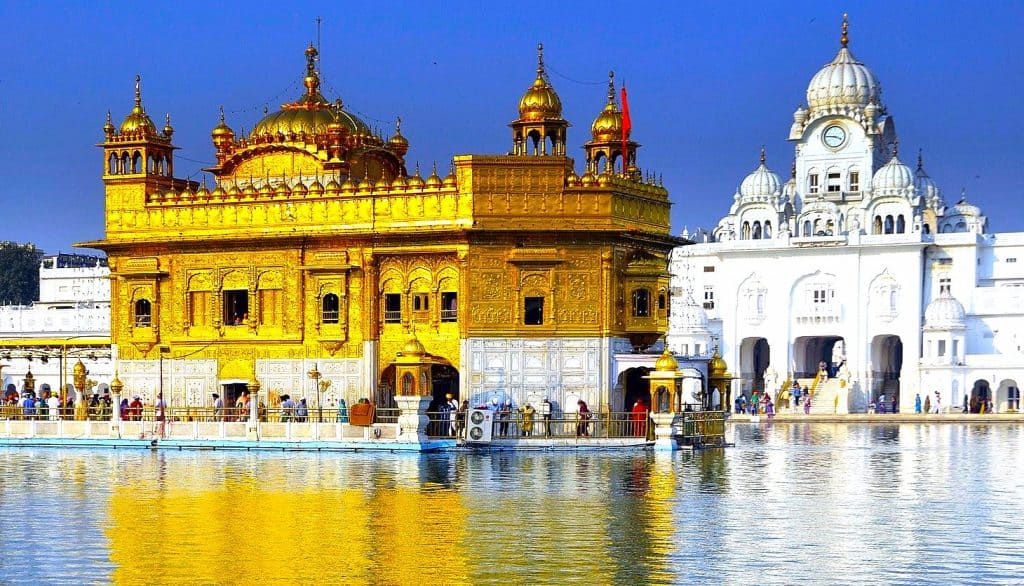
The Sikh style of architecture has gained traction on a global scale with its exquisite intricacy, austere beauty, the value of progressiveness, and coherent flowing lines. This is one of the architectural styles that evolved owing to its progressive style of modernism. The highlight of Sikh architecture is its unique combination of beautiful curves and straight lines.
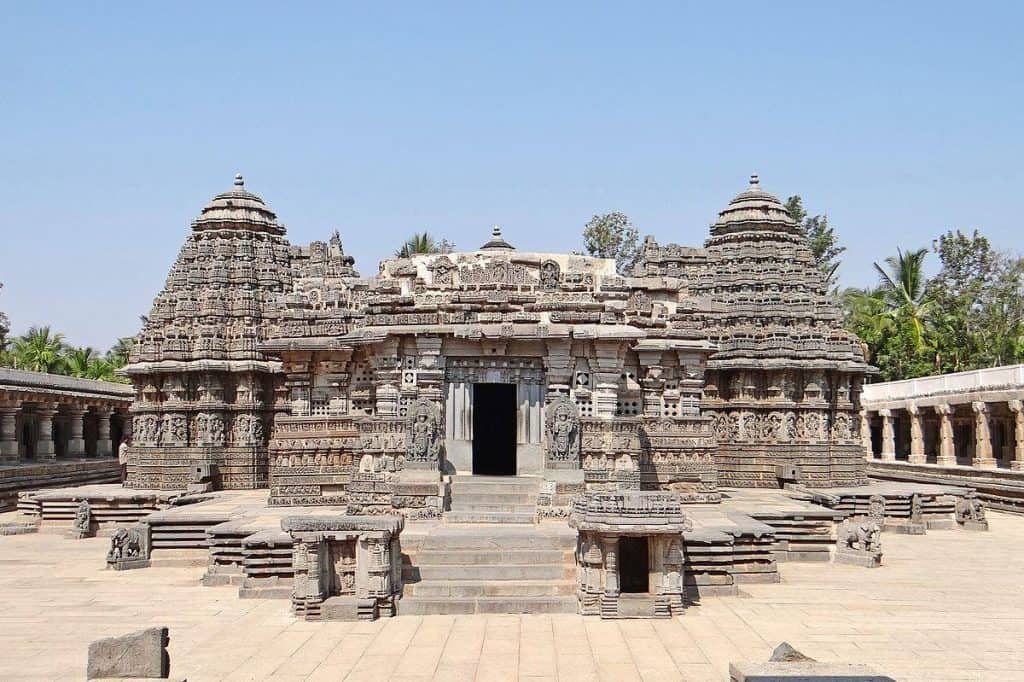
The Vesara architectural style evolved during the mediaeval centuries in the state of Karnataka. This style is a combination of Nagara and Dravida styles of architecture. Vesara architecture is primarily used in the construction of temples where the shape of the structure is usually pyramidal. The walls of the temple are broad and circular or a straight sided-cone. This architectural style is divided into steps or storeys and the kapota roof motif is common in southern vimanas.
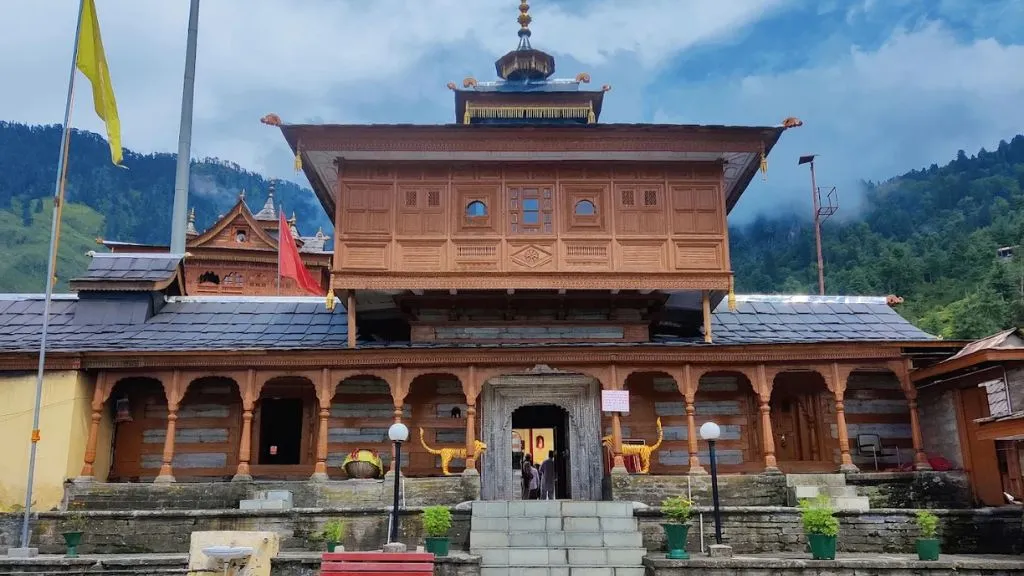
We can’t talk about types of indian architecture without mentioning the informal, local styles. Vernacular architecture doesn’t rely on high-tech corporate blueprint designs or imported materials. Local builders simply use what the earth provides right in their backyard.
In heavy rainfall mountainous regions, you’ll see builders piecing together rubble, rocks, and ashlar using simple mud or cement. They build heavily slanted roofs made of slate tiles or thatch to deal with the intense monsoon seasons. It is highly sustainable, naturally insulated, and perfectly adapted to the local climate.
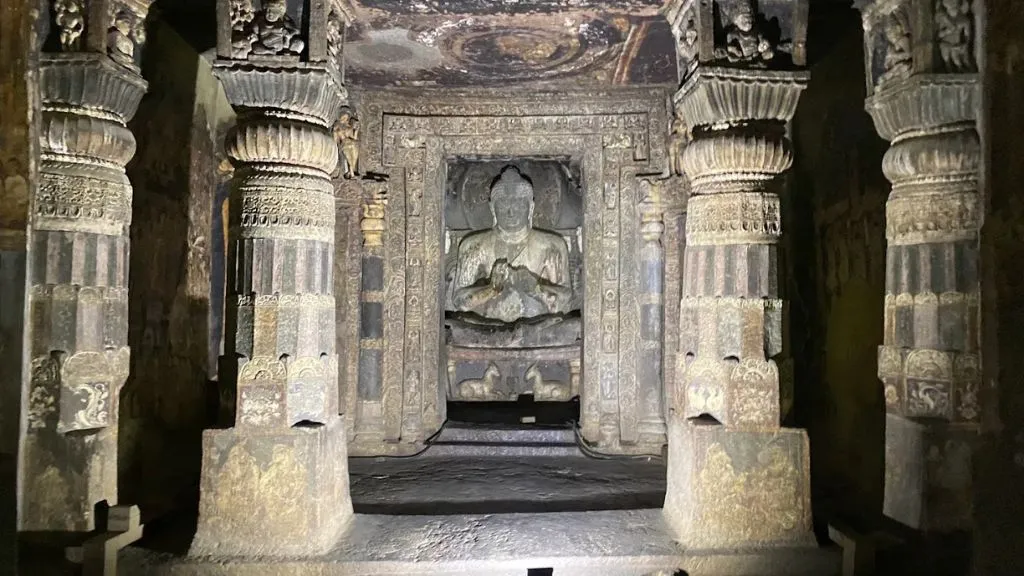
This is probably the most jaw-dropping type of architecture found in the ancient world. Instead of building from the ground up, ancient carvers took a single, monolithic rock mountain and chiseled inward. It took insane precision because one wrong hit with a hammer and the whole structure would be ruined forever. These caves were mostly used as quiet places of worship or residences for Buddhist and Jain monks because stone is incredibly durable.
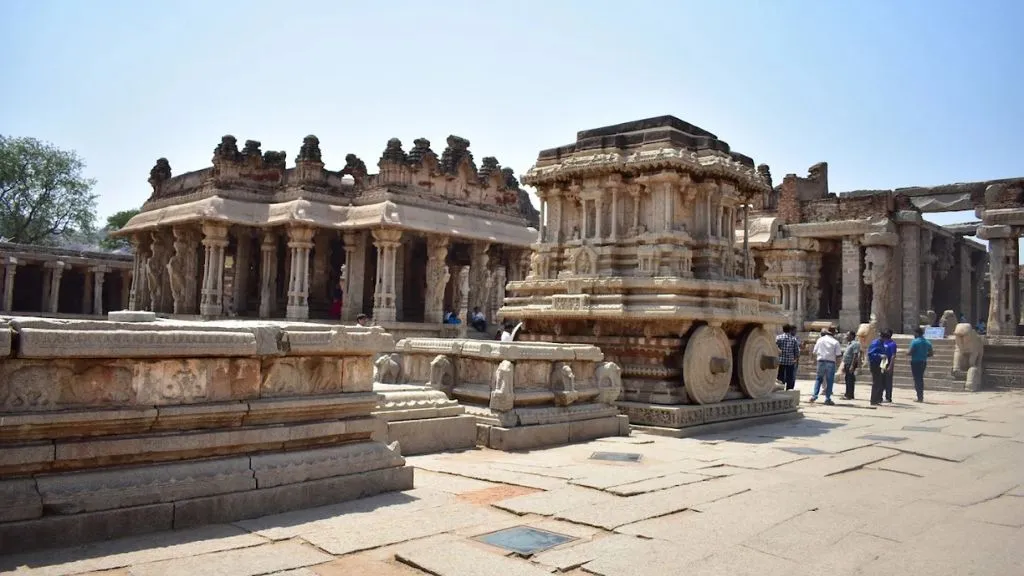
Centred around the historic city of Hampi, this style reflects a massive, wealthy empire. It is instantly recognizable by its grand, monolithic rock sculptures and giant pillared halls (Kalyana Mandapas). The pillars are often carved into intricate shapes of charging mythical beasts (Yalis) or riders on horseback, entirely sculpted out of single blocks of hard granite.
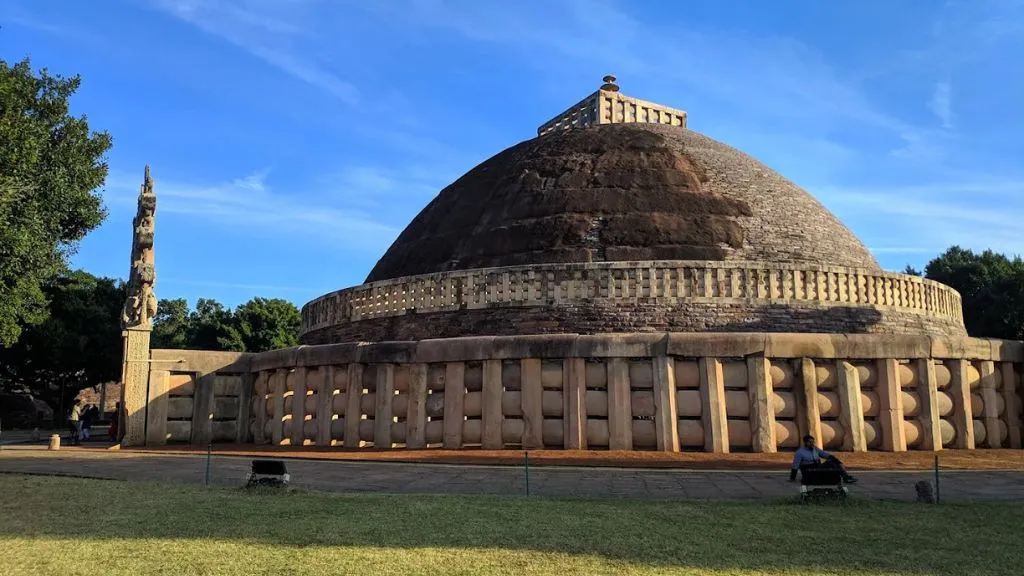
Dating back to the Mauryan empire under Emperor Ashoka, this style centers on the Stupa, a massive hemispherical earthen mound containing sacred relics. The design is highly symbolic, featuring grand stone railings (Vedikas) and intricately carved ceremonial gateways (Toranas) pointing in the four cardinal directions to represent cosmic balance.
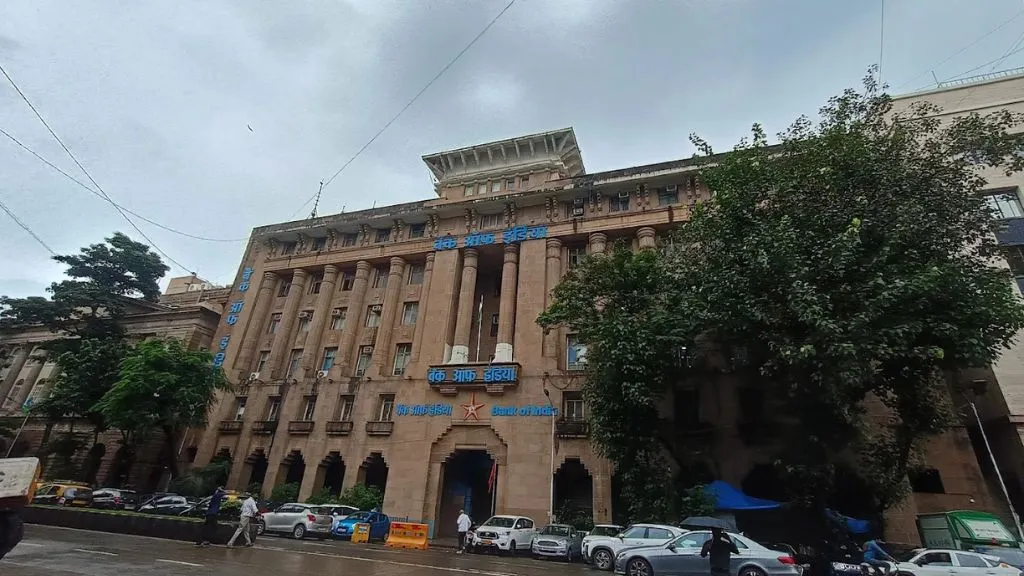
During the 1930s and 40s, Mumbai underwent a massive building boom, resulting in the second-largest collection of Art Deco buildings in the world after Miami. These structures feature sleek geometric lines, tropical motifs, nautical imagery (like porthole windows), and curved balconies that perfectly captured the modern, glamorous spirit of the era.
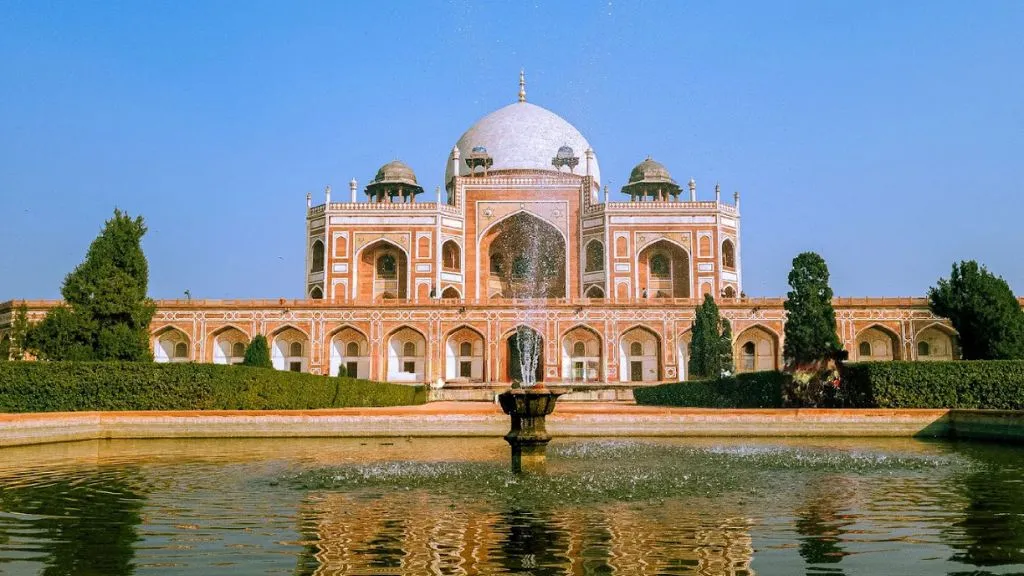
Before the grand Mughal era, the early Delhi Sultanate and regional kingdoms (like Mandu, Ahmedabad, or Jaunpur) experimented with combining Islamic forms with local Hindu building techniques. They introduced the true arch and dome to India, relying on massive stone blocks, low-slung domes, and heavy corbelled doorways.
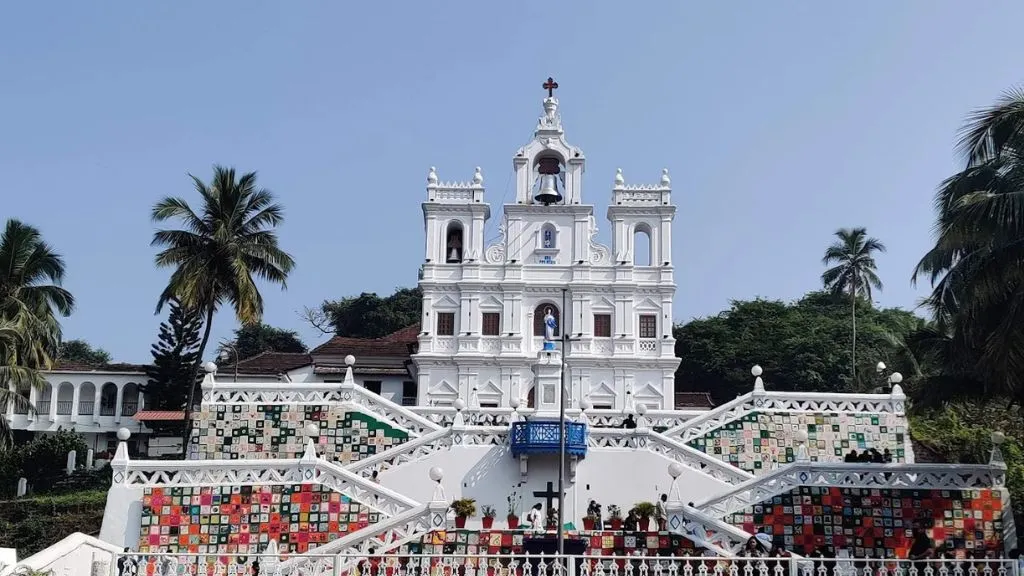
When the Portuguese settled in Goa, they brought European Baroque architecture but adapted it to tropical weather. They built grand white-washed churches and colorful villas featuring oyster-shell windows, grand double-staircase entryways, and deep covered verandas designed to beat the coastal heat.
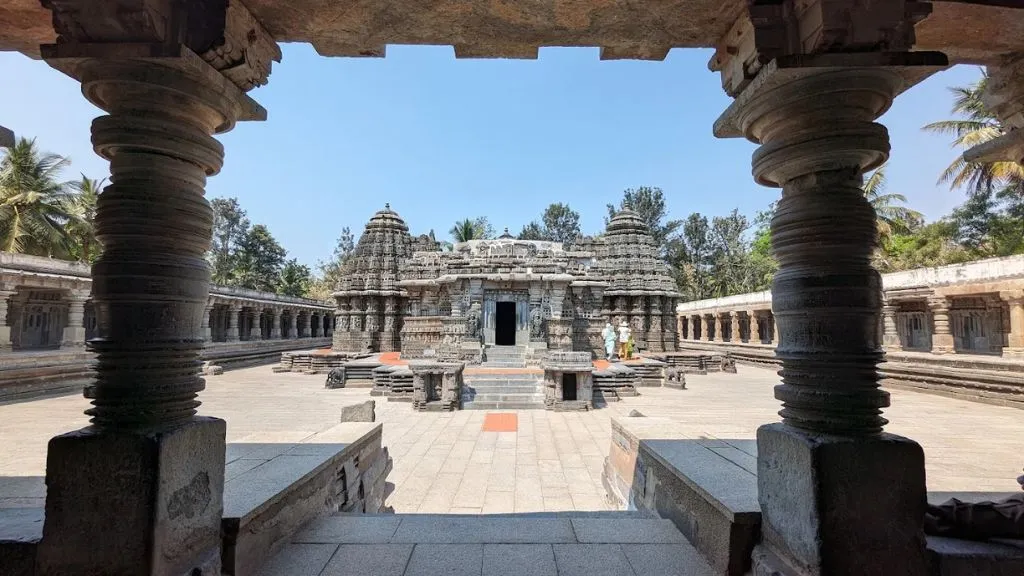
Thriving between the 11th and 14th centuries in Karnataka, this style is famous for its star-shaped temple platforms. Builders used chloritic schist (soapstone), which is soft when first quarried but hardens over time. This allowed sculptors to carve mind-blowing, jewelry-like details into every single inch of the pillars and wall panels.
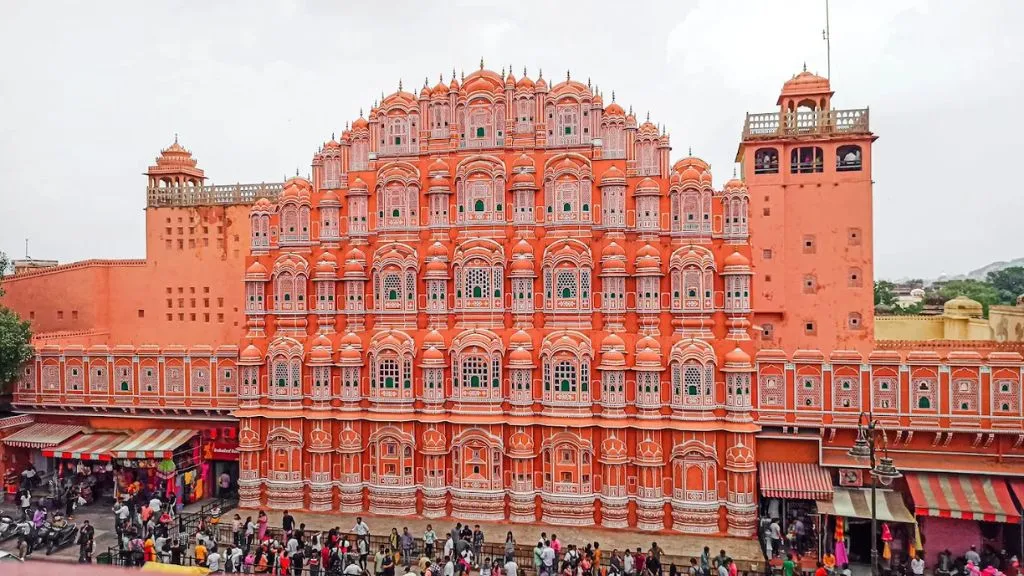
Originating in Rajasthan, this style is all about grand forts, palaces, and Havelis. It features massive hanging balconies (jharokhas), beautiful stepwells (baoris), fluted chattris (umbrella-shaped domes), and intricate stone lattice screen windows (jalis) carved from pink or yellow sandstone.
Fast forward to 1947. India gained independence, and suddenly we needed to build a new identity. Modern indian architecture really kicked off in 1950 when the famous Swiss-French architect Le Corbusier was invited to design the city of Chandigarh from scratch. His raw concrete, geometric, and highly functional designs completely revolutionized how local Indian architects approached space.
Today, we face massive population booms. This creates a huge housing crunch in major cities, which is driving a massive wave of smart, sustainable town planning. Modern design doesn’t mean forgetting our roots, though. The best contemporary architects are actively bringing back traditional craftspeople to blend old-school sustainability with modern glass-and-steel technology.
When you step back and look at the big picture, understanding what is architecture helps us realize that India’s landscape is a massive, living history book. From the ancient, jewelry-like stone carvings of the Hoysala temples to the grand, symmetrical domes of classic Mughal monuments, the sheer variety of types of architecture across the country is jaw-dropping. Every single empire and local community has left its unique mark on our structural heritage.
As we move forward, modern Indian architecture continues to evolve by blending these traditional roots with global, high-tech engineering. Whether you are mesmerized by the ancient, subtractive genius of rock-cut caves or the sleek, geometric lines of coastal art deco, the rich types of indian architecture prove that our buildings are much more than just shelters, they are the true soul of our cultural identity.