Kannada Actor Shiva Rajkumar House Tour in Manyatha Techpark Bangalore
October 13, 2026
Whenever I track high-end residential trends across North Bangalore, one property in Manyata Residency constantly gets brought up by buyers…

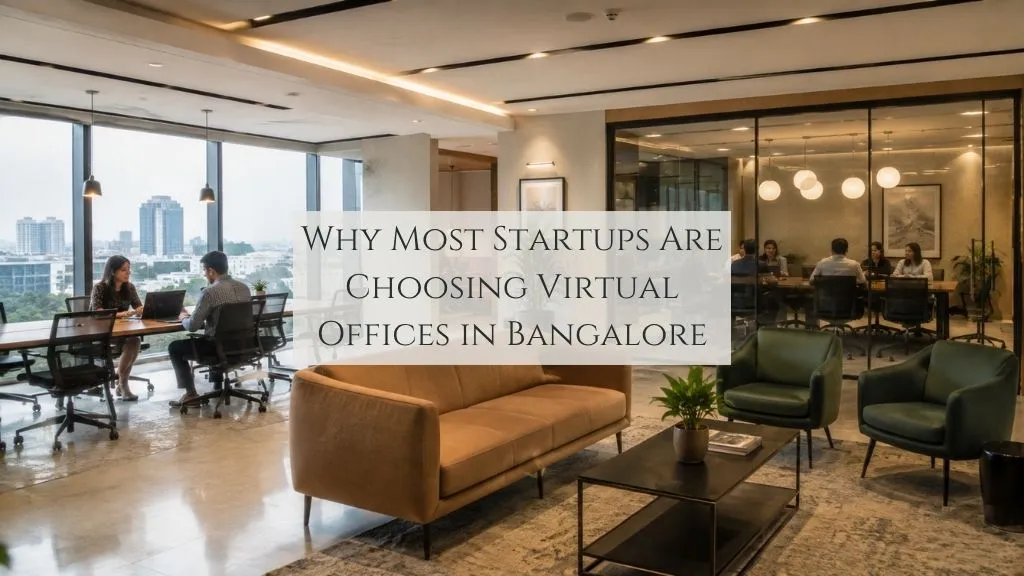
Bangalore has always been one of the first choices for anyone looking to build something new in India. The city has a large startup ecosystem, with businesses ranging from early-stage ventures to well-established technology companies.
But setting up a business in Bangalore also comes with its own challenges. Office space can be expensive, especially for a new company that is still working with a limited budget. This is one reason virtual offices have become an option for some Bangalore-based startups.
For startups that do not need a dedicated office every day, this can be a practical alternative to a traditional office.
A business also needs an address for purposes such as company registration in Bangalore, depending on its business structure and applicable requirements. A virtual office may be used as a business address in situations where the relevant requirements are met. The documents and conditions can vary depending on the provider and the purpose for which the address is being used.
Commonly requested documents may include:
The exact documentation and requirements should always be checked before choosing a virtual office arrangement.
The growth of Bangalore’s startup ecosystem has also changed the way businesses think about office space. Many new companies start with small teams and gradually expand as the business grows.
At the same time, remote and hybrid working have become more common. This means that some businesses may not need a large office from the beginning.
For such companies, paying for a permanent office when most employees work remotely may not always be the most practical choice. A virtual office is one of the options businesses can consider while deciding how much physical workspace they actually need.
Cost is one of the main factors businesses consider when choosing between a traditional office and a virtual office.
A traditional office in Bangalore, particularly in established commercial areas such as Koramangala or Indiranagar, involves more than just the monthly rent. Businesses may also need to account for:
The overall cost can vary significantly depending on the location, size and type of office.
A virtual office in Bangalore, on the other hand, generally does not require a business to maintain a full-time workspace. The cost and services can vary depending on the location and package. Some arrangements may include a business address, mail handling or access to meeting spaces, while others may offer different services.
This makes it important for a business to compare what is included rather than looking at the monthly price alone.
The way people work has changed. Many startup teams are distributed across cities or work from home for most of the week, which makes a large, empty office difficult to justify. A virtual office allows the company to maintain a professional presence for the outside world while the team operates wherever it is most productive. If the business grows and later needs meeting rooms or desks, most providers offer these on demand, so nothing sits idle.
A virtual office also manages the smaller day-to-day matters. Mail and couriers are received and forwarded to you. The address may appear on your website, your visiting cards, and your invoice with complete confidence. To a customer or a partner, the business simply appears established and serious, which is exactly the impression every young company hopes to convey.
None of this suggests that physical offices are obsolete. A company that needs a daily workspace for a large team, a laboratory, or heavy equipment will still require its own premises. But for many founders who are testing an idea, keeping costs low, and moving quickly, a virtual address serves the purpose without straining the budget.
Startups in Bangalore are not choosing virtual offices simply because they are affordable. They are choosing them because they are practical. A respected address, valid registration documents, a modest monthly cost, and the freedom to work from anywhere. For a business in its early years, that combination is difficult to argue against.
As Bangalore continues to grow as India’s startup capital, this quiet shift toward virtual offices looks less like a passing trend and more like the new normal.