Hyderabad Real Estate Trends 2026: Growth, Luxury and Investment Potential
September 24, 2026
India’s real estate landscape is entering 2026 with a more selective and value-driven investment outlook. Buyers are no longer looking…

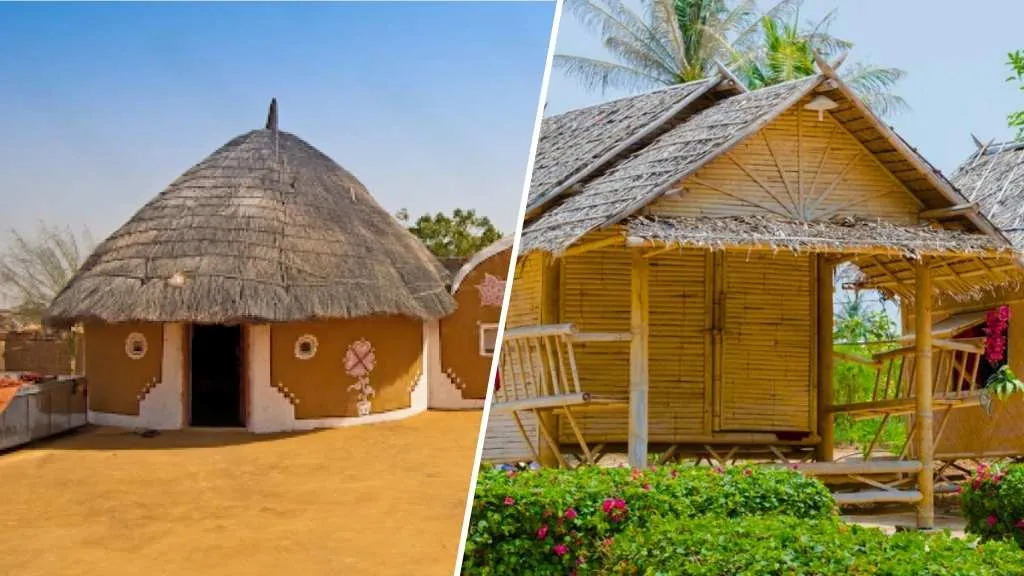
The difference between a kutcha house and a pucca house mainly depends on the materials used to construct the walls and roof. A kutcha house is generally built with materials that need frequent replacement, such as mud, thatch, bamboo, grass, reeds or unburnt bricks. A pucca house is constructed using more permanent materials, such as burnt bricks, cement, concrete, stone, metal sheets or machine-made tiles.
A semi-pucca house falls between the two. It usually has one part, such as the walls or roof, made with permanent materials and another part made with less durable materials.
These classifications are commonly used in Indian housing surveys, rural development programmes and property discussions. However, kutcha does not always mean poorly designed, and pucca does not automatically guarantee structural safety or legal approval.
In this guide, we explain the meaning, materials, features, advantages, disadvantages and key differences between kutcha, semi-pucca and pucca houses.
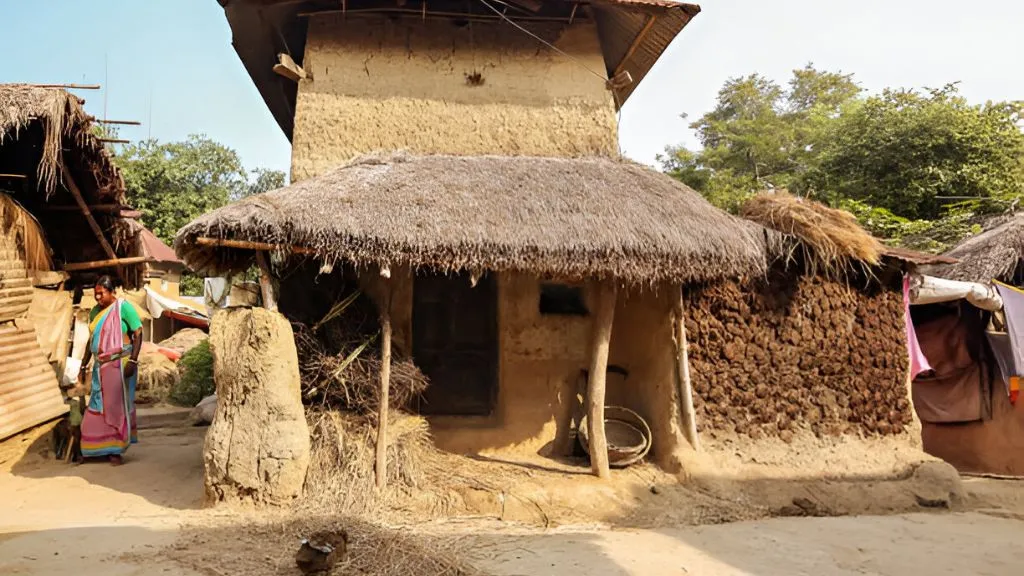
A kutcha house is generally a house where both the walls and roof are made using materials that are less durable or require more frequent maintenance or replacement. These materials may include mud, unburnt bricks, bamboo, reeds, grass, thatch, plastic sheets or loosely packed stones.
The availability of these materials often depends on the local climate, traditional construction practices and resources available in the region.
Kutcha houses may offer the following advantages:
However, the environmental performance of a kutcha house depends on material sourcing, transportation, construction quality, maintenance and lifespan.
Potential disadvantages include:
A well-designed traditional house can perform better than a poorly constructed modern structure. Therefore, the quality of construction and suitability of the design are important.
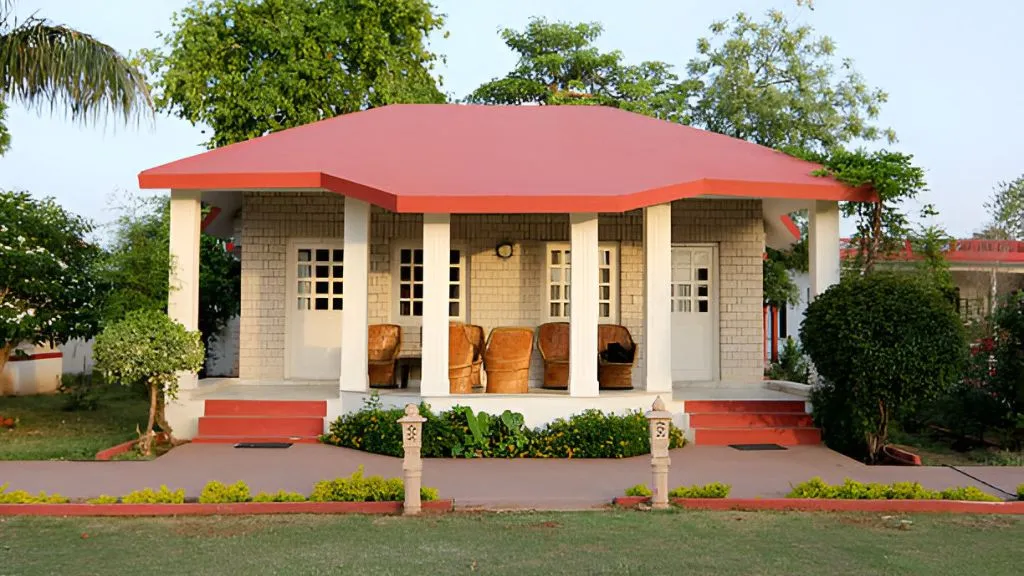
A pucca house is a house where both the walls and roof are made from permanent or durable materials. Common materials include burnt bricks, cement, concrete, stone, slate, machine-made tiles, GI sheets and other recognised permanent roofing or wall materials.
A pucca house does not necessarily need to have an RCC roof. A house with a properly constructed tile, slate or metal roof may also be classified as pucca, depending on the applicable housing definition.
The materials used depend on the region, budget, building design, climate and construction standards.
Common advantages of pucca houses include:
Potential disadvantages include:
A pucca house is not automatically safe or maintenance-free. Foundation quality, structural design, drainage, workmanship and regular maintenance remain important
A semi-pucca house is a structure where either the walls or the roof is made from permanent materials, while the other part is made from less durable or frequently replaceable materials.
For example, a house may have burnt-brick walls but a thatched roof. It may also have a permanent roof but walls made from mud or another less durable material.
Common examples include:
Many households improve their homes in stages. They may first replace the walls, then upgrade the roof, flooring, sanitation or other facilities as funds become available.
The main kutcha house and pucca house difference is the type and durability of materials used for the walls and roof. However, other factors such as climate, construction quality, maintenance and legal documentation also influence how a house performs.
| Classification Factor | Kutcha House | Semi-Pucca House | Pucca House |
|---|---|---|---|
| Wall construction | Generally uses mud, unburnt bricks, bamboo, reeds, thatch or similar materials | Uses a combination of permanent and less durable materials | Generally uses burnt bricks, concrete, cement blocks, stone or other permanent materials |
| Roof construction | Generally uses thatch, grass, leaves, plastic or temporary materials | Uses a combination of permanent and less durable roofing materials | Generally uses RCC, tiles, slate, cement sheets, GI sheets or other permanent materials |
| Maintenance needs | Often higher, depending on climate and materials | Moderate and dependent on the weaker component | Usually routine maintenance, although major repairs may still be required |
| Durability | Varies significantly based on design, materials and maintenance | Varies according to the combination of materials | Generally higher, but depends on construction quality and maintenance |
| Rain and moisture protection | May require additional protection and frequent repairs | Depends on the roof, walls, drainage and waterproofing | Usually better when properly designed and maintained |
| Initial cost | Often lower, depending on locally available materials | Moderate | Usually higher |
| Construction process | May use simpler or traditional methods | Combines different construction methods | Usually involves more formal construction methods and materials |
| Modern utilities | May be more difficult to install in some structures | Can be integrated depending on the design | Usually easier to integrate |
| Legal status | Classification does not determine legal ownership or approval | Classification does not determine legal ownership or approval | Classification does not automatically confirm legal ownership or approval |
| Home loan eligibility | Depends on the lender, documents, valuation and property condition | Depends on the lender, documents, valuation and property condition | Often more acceptable to lenders when documents and approvals are complete |
Location dictates construction materials. Across India, local climate and raw material availability shape how both kutcha and pucca houses are built.
Local materials can influence:
However, the same material may perform differently in different climates. Proper design and construction methods are essentia
The durability of a house depends on more than whether it is classified as kutcha or pucca. Important factors include the quality of materials, foundation, structural design, workmanship, drainage, waterproofing and maintenance.
Mud, thatch and other exposed materials can be vulnerable to moisture if they are not properly protected. Raised plinths, roof overhangs, good drainage, regular plastering and suitable construction techniques can improve performance.
Pucca houses generally offer better protection from rain when they have:
However, a pucca house is not automatically waterproof or resistant to flooding. Poor drainage, weak construction and inadequate maintenance can still cause damage.
Mud walls and traditional materials may provide natural thermal comfort in some climates. Concrete and brick buildings can also remain comfortable when designed with proper ventilation, shading, insulation and orientation.
The most suitable material depends on the local climate, building design, budget and intended use.
Securing financial backing or protecting your property depends entirely on structural permanence.
The classification of a house may be relevant in housing surveys and certain government programmes, but it does not independently determine the legal or financial status of a property.
No. A pucca house may still require:
A house being made from permanent materials does not automatically mean that its construction is legally approved.
Home loan eligibility depends on the lender’s policies and several property-related factors, including:
A kutcha or semi-pucca property may face more financing limitations, but there is no universal rule that every such property is automatically rejected. Similarly, a pucca house does not automatically qualify for a loan if its documents or approvals are incomplete.
Property tax rules vary between states, municipalities and local authorities. Tax assessment may depend on factors such as:
Therefore, the kutcha or pucca classification alone should not be used to assume whether a property is taxable, exempt or subject to a particular tax rate.
No. RERA applicability depends on the type of real estate project and the conditions prescribed under the law. A pucca house does not automatically have RERA protection, clear title or approved construction.
Before buying a property, verify the relevant documents and approvals with the appropriate authority or a qualified legal professional.
Government housing schemes may use housing condition and construction classification to identify households that require assistance.
The Pradhan Mantri Awaas Yojana–Gramin, or PMAY-G, is a rural housing programme intended to support eligible households that require better housing conditions. The programme focuses on providing assistance for the construction of a pucca house with basic amenities.
Eligibility is not determined only by the word “kutcha.” It may also depend on household conditions, government records, land availability, previous benefits and other official criteria.
Housing scheme rules may change, and eligibility can depend on the applicable guidelines and local verification process. Anyone applying for assistance should check the latest information through the official government portal or the relevant local authority.
A pucca house may be more suitable when the priority is long-term durability, modern utilities, formal construction and protection from weather. However, a pucca classification does not automatically guarantee better construction, lower maintenance or structural safety.
A well-designed traditional kutcha house can provide good thermal comfort and use locally available materials. On the other hand, a poorly designed house made with concrete or bricks may experience dampness, cracks, excessive heat or drainage problems.
The difference between a kutcha house and a pucca house is mainly based on the materials used for the walls and roof. Kutcha houses generally use materials that require more frequent maintenance, while pucca houses use more permanent or durable materials. Semi-pucca houses combine both types of construction.
However, house classification alone does not determine structural safety, legal approval, property value, tax treatment or loan eligibility. Climate, design, workmanship, maintenance and documentation are equally important.
Understanding these differences can help homebuyers, property researchers and rural development readers make more informed decisions when evaluating houses and construction methods in India.