Difference Between Kutcha & Pucca Houses: Features, Materials Used, Pros & Cons
September 16, 2026
The difference between a kutcha house and a pucca house mainly depends on the materials used to construct the walls…

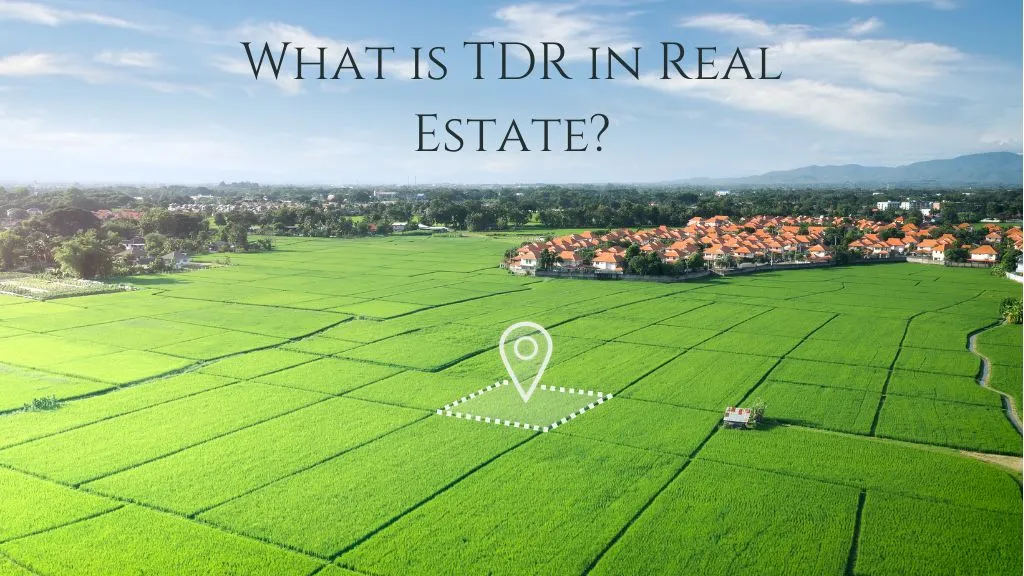
Have you ever looked at a newly constructed high-rise in Mumbai, Bengaluru, or Hyderabad and wondered how developers managed to build so many additional floors despite strict building regulations?
The answer often lies in Transferable Development Rights (TDR)—a legal planning tool that allows developers to construct beyond the standard Floor Space Index (FSI) by purchasing development rights from another landowner.
Whether you’re buying a property, investing in land, or simply trying to understand how Indian cities continue to grow vertically, knowing what TDR is in real estate can help you make more informed decisions.
In this guide, we’ll explain the TDR meaning in real estate, how Transferable Development Rights work, the different types of TDR, their benefits, calculation methods, and what every property buyer should know before investing in a TDR-approved project.
TDR Full Form: Transferable Development Rights
So, what is tdr in construction exactly? Think of TDR as a “bonus building permit” or a digital certificate issued by a city’s municipal corporation (like BBMP in Bangalore or BMC in Mumbai).
Here is how it works in real life: Imagine you own a plot of land. The local city council suddenly decides they need a strip of your land to widen a major road or build a public park. Instead of paying you a massive pile of cash that burns a hole in the government budget, the municipality gives you a Development Rights Certificate (DRC).
This certificate says, “Hey, because you surrendered your land, you now have the legal right to build extra square footage somewhere else in the city.”
You can either use those rights on another property you own, or you can sell that certificate in the open market to a real estate developer for cold, hard cash!
To understand tdr in construction, you need to understand two main zones defined by urban planning authorities:
When a builder buys a TDR certificate from a landowner, they get to build above the standard Floor Space Index (FSI) limit of that receiving zone.
Not all TDR certificates are created equal. Municipal authorities generate different types depending on what the land was originally used for:
| Type of TDR | How It Works & Why It Exists | Who Benefits? |
| Road Widening / Infrastructure TDR | Generated when a landowner surrenders the front portion of their plot to the city for road expansion or new transit lines. | The city gets wider roads for free; the owner gets extra buildable space elsewhere. |
| Slum TDR | Issued to developers who build free, clean housing for slum dwellers under government rehabilitation projects. | Slum dwellers get real homes; developers get massive TDR credits to sell or build luxury flats. |
| Heritage TDR | Granted to owners of historic buildings who are legally barred from demolishing or vertically expanding their property. | Protects historic architecture without financially ruining the building owner. |
| Reserved Plots TDR | Created when private land earmarked for public parks, schools, or civic hospitals is handed over to the municipality. | Cities get civic facilities without cash payouts; land owners get fair value. |
Without tdr in real estate, modern urban development in crowded Indian cities would hit a brick wall. Here’s why everyone involved loves it:
Acquiring private land for infrastructure costs thousands of crores. By issuing TDR certificates instead of cash payouts, the government gets the land it needs for wider roads and public parks without burning municipal tax funds.
If the government freezes your land for a public project, you usually get stuck in endless court battles over low compensation. TDR gives you an immediate asset (the DRC certificate) that you can sell in the open market at prevailing real estate rates.
Land in city centers is ridiculously expensive. Buying TDR allows developers to add extra floors to an existing project on a smaller plot, maximizing their profits without having to buy additional physical ground.
If you are looking to buy an apartment in a high-rise building that used TDR to build higher, keep these two crucial points in mind:
Calculating TDR isn’t as complicated as it sounds. It all boils down to a simple mathematical conversion based on how much land you are giving up and what the local zoning rules allow.
Here is the step-by-step math behind it:

Let’s say you own a plot of land measuring 2,000 square feet in a zone where the municipal authority allows a base Floor Space Index (FSI) of 1.5.
If the government acquires your entire plot for a road-widening project, your calculation looks like this:

Once this calculation is verified, the municipal body issues you an official physical or digital paper called a Development Right Certificate (DRC). This certificate acts like a legal bank check loaded with 3,000 square feet of buildable credit. You are now free to hold onto it, apply it to another building project you own, or sell it off to the highest-bidding real estate developer.
Transferable Development Rights (TDR) play a vital role in modern urban planning by creating a win-win solution for governments, landowners, developers, and homebuyers. They support infrastructure development, promote efficient land use, and encourage sustainable city growth without relying solely on monetary compensation.
Whether you’re investing in property, purchasing a high-rise apartment, or evaluating land for future development, understanding how TDR works can help you make smarter real estate decisions and avoid legal complications.