Best Residential Areas to Live in Whitefield Bangalore: Is Whitefield an Expensive Area?
September 25, 2026
Choosing the right residential area in Whitefield can make a major difference to your daily commute, lifestyle, budget, and long-term…

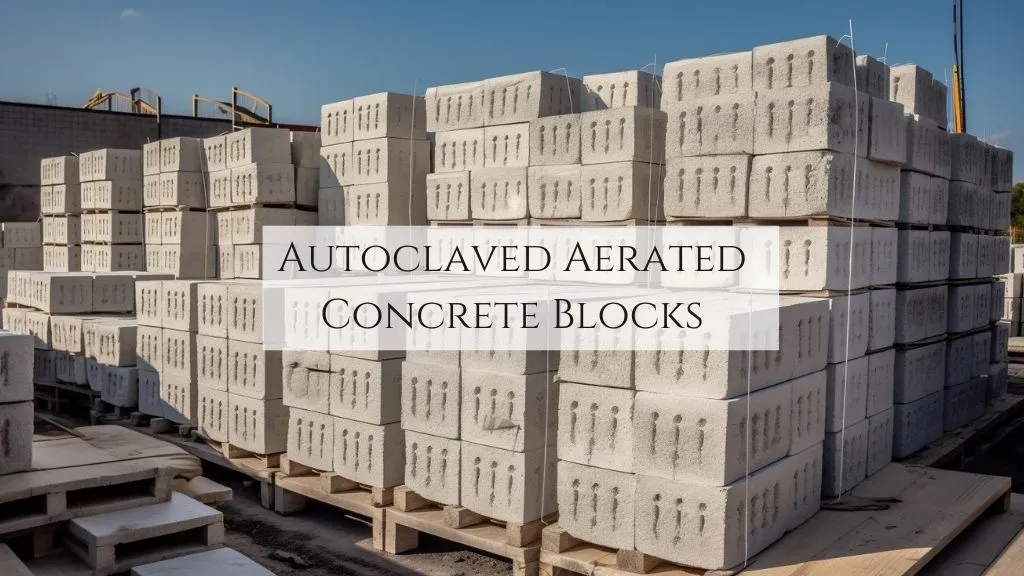
If you’re planning to build a home and also trying to be a little kind to the planet (and your electricity bill), AAC blocks are honestly hard to ignore. Autoclaved aerated concrete blocks, also called AAC bricks, are lightweight concrete blocks made for modern construction.
These aerated concrete blocks offer solid strength, excellent insulation, and faster construction compared to traditional materials. When people talk about AAC block vs red bricks, the biggest difference felt is weight, thermal comfort, and long-term savings. Simply put, AAC block bricks are smart, efficient, and future-ready lightweight concrete blocks.
AAC blocks, or autoclaved aerated concrete blocks, are precast construction materials made using cement, lime, sand or fly ash, water, and a small amount of aluminium powder. That aluminium is the real magician here. It creates tiny air pockets inside the blocks, which is why AAC blocks are super light yet surprisingly strong.
Because of this cellular structure, aerated concrete blocks work as excellent insulators. Less heat comes in, less noise travels through, and the building feels calmer overall. Compared to traditional bricks, AAC block bricks reduce dead load on the structure, which means savings on steel, cement, and foundation costs.
That’s why, in the AAC block vs red bricks debate, many modern builders are quietly switching sides. These lightweight concrete blocks just make construction simpler, faster, and cleaner.
Not all AAC blocks look the same, even though they behave pretty similarly on-site. Depending on wall thickness, load needs, and usage, builders pick different variants of autoclaved aerated concrete blocks. Here are the ones you’ll mostly come across in Indian construction
Different sizes, same core benefit. Faster construction, lower load, and better comfort.
This is the part where AAC blocks start flexing without even trying. On paper it looks simple, but on-site, the benefits hit differently.
1. Lightweight, Yet Strong: These lightweight concrete blocks are almost 3 times lighter than red bricks. Less dead load on the structure, less steel, less stress on foundations. In any AAC block vs red bricks discussion, this point alone changes decisions.
2. Excellent Thermal Insulation: Because of the air pockets inside, aerated concrete blocks keep interiors cooler in summer and warmer in winter. AC runs less, electricity bills chill out.
3. Faster Construction: Bigger size, fewer joints. Masonry work moves faster with AAC block bricks, and mortar consumption drops by almost 30%.
4. Fire & Disaster Resistant
Autoclaved aerated concrete blocks are non-combustible and can withstand fire for up to 4 hours. Also performs better during earthquakes due to lighter structural load.
5. Soundproofing That Actually Works: Those tiny air gaps? They absorb sound. Homes built with AAC bricks feel noticeably quieter, especially in city areas.
6. Sustainable & Eco-Friendly: Fly ash-based AAC blocks reuse industrial waste. Less carbon footprint, less water usage, and zero toxic emissions.
Now let’s slow down and be real. AAC blocks are brilliant, but they’re not magic. A few things need attention before jumping in blindly.
1. Brittle by Nature: Compared to red bricks, AAC block bricks are more fragile. Rough handling during transport or careless cutting on-site can cause breakage. Skilled labour matters here.
2. Higher Water Absorption: Because of their porous structure, aerated concrete blocks absorb more water. Proper curing, good plaster, and correct exterior finishes are non-negotiable. In the AAC block vs red bricks debate, this is a known trade-off.
3. Slightly Higher Per-Unit Cost: Yes, AAC bricks cost more per piece. But overall construction cost often balances out due to lower mortar, steel, and labour usage. It looks expensive, but the math usually says otherwise.
4. Finishing Needs Care: Standard cement plaster isn’t always ideal. Autoclaved aerated concrete blocks work best with polymer-based or gypsum finishes, especially in humid regions.
So yeah, lightweight concrete blocks demand planning, not guesswork. When installed right, these issues shrink fast.
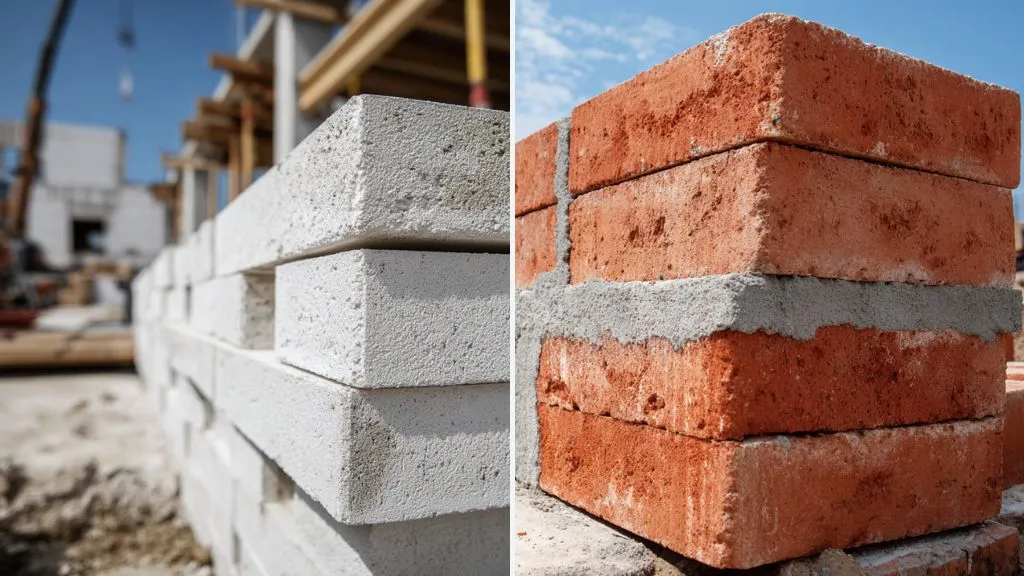
This comparison comes up in every construction discussion. And fair enough because choosing between AAC blocks vs red bricks affects cost, comfort, and long-term maintenance.
AAC blocks are almost 3 times lighter than red bricks. This reduces the overall dead load on the building, meaning smaller foundations, less steel, and lower structural cost. Red bricks? Solid, yes, but heavy. Very heavy.
This is where aerated concrete blocks clearly win. The air pockets inside autoclaved aerated concrete blocks keep homes cooler in summer and warmer in winter. With red bricks, indoor temperatures rise faster, AC bills follow.
A bigger size means faster work. AAC block bricks cover more area with fewer joints. Walls go up quicker, labour costs drop. Red brick work is slower and needs more mortar. Time is money, after all.
Red bricks absorb more water, which can later cause dampness. AAC bricks absorb less, but yes, proper waterproofing is still needed. No shortcuts here.
Per unit, aac blocks look expensive. But when you count savings on mortar, plaster, steel, and energy bills, the total project cost often turns out lower than red brick construction.
Red bricks consume fertile topsoil. Lightweight concrete blocks like AAC are eco-friendlier and often made using fly ash. Easy choice if sustainability matters even a little.
For modern homes, apartments, and long-term savings, AAC blocks usually make more sense. Red bricks still work, but they’re slowly becoming yesterday’s solution.
If you’re looking for a modern, efficient, and eco-friendly building material, AAC blocks make complete sense. These autoclaved aerated concrete blocks offer better insulation, faster construction, and long-term savings when compared to traditional options.
In the AAC block vs red brick debate, AAC block bricks clearly stand out for lightweight strength and energy efficiency. For today’s construction needs, aerated concrete blocks aren’t just an alternative; they’re becoming the smarter default choice.