How to Soundproof a Room in India: Cost and Practical Ways to Reduce Noise
October 28, 2026
Moving into a new home or setting up a personal space is always exciting, until reality hits and you realize…


To prevent termites in wooden furniture and homes, control moisture, fix water leaks, inspect hidden wooden surfaces regularly, and address termite activity as soon as it is detected. These steps can reduce the risk of damage, although they cannot guarantee that termites will never enter your home.
Termites can damage cupboards, beds, door frames and other wooden structures, sometimes remaining hidden until the damage becomes noticeable. In homes with damp areas, timber in contact with soil, or untreated wood, early inspection and appropriate preventive measures are particularly important.
This guide explains where to look for termite activity, how to protect wooden furniture, when anti-termite treatment may be necessary, and what to do if you discover an infestation.
Honestly, you don’t have to inspect every corner of your house every day. But some places deserve a little more attention, especially if there’s moisture around.
Termites feed on materials containing cellulose, including wood and cardboard. Some species also enter buildings through the soil, so keeping your furniture clean isn’t always enough to prevent them.
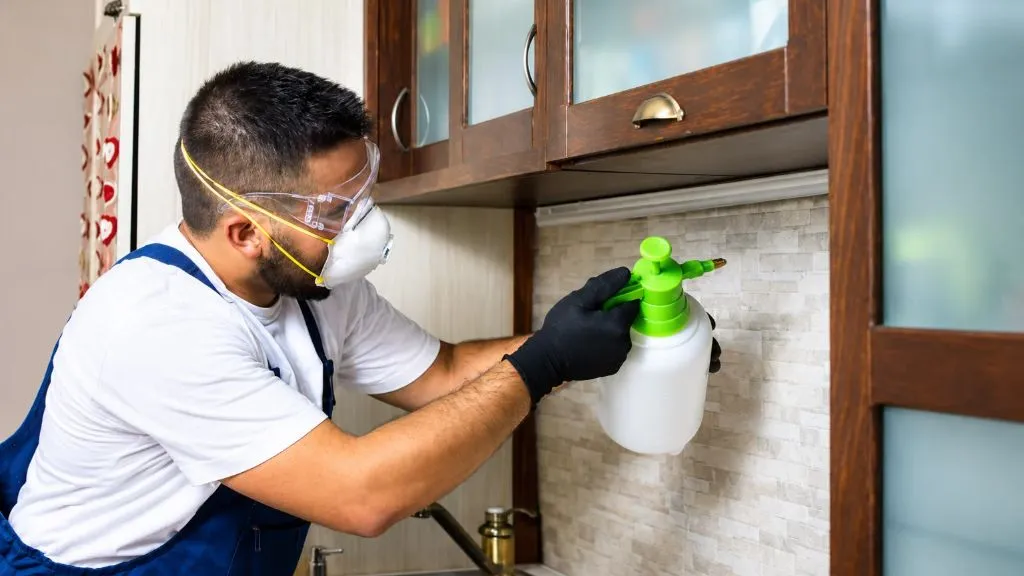
Have you noticed a damp patch behind your wardrobe or under the kitchen sink? Don’t ignore it.
Fix leaking pipes, dry wet surfaces, and make sure rooms have enough ventilation. If a wall keeps getting damp, find out what’s causing it instead of simply painting over the patch.
Moisture control helps reduce the conditions that attract termites, although it won’t prevent every infestation.
The front of a cupboard might look perfectly fine while the back or bottom is already damaged. This is why checking only the visible surfaces isn’t enough.
Look for hollow sounds when tapping the wood, small holes, mud tubes. Wood termites break easily. These signs don’t automatically confirm termites, but they’re a good reason to investigate.
Second-hand wooden furniture can be a good buy, but give it a proper inspection before bringing it inside.
Check the legs, joints, underside, and hidden corners. If you suspect termites, keep the furniture away from other wooden items until it has been checked.
Also, clear out cardboard boxes and old wooden scraps that you no longer need. There’s no point keeping things you don’t use, especially in a damp storage room.
If you’re buying new wooden furniture or renovating your home, ask about termite protection before the work is completed.
An anti termite treatment for wood may be suitable for certain wooden surfaces, depending on the product and how it’s used. Regular paint or polish, however, shouldn’t be assumed to protect against termites.
For existing furniture, choose a product specifically intended for termite control and follow its instructions. If termites are already inside the wood, surface treatment alone may not be enough.
Now, what if you’ve already spotted them?
First, don’t start spraying random chemicals around the house. You need to understand where the termites are coming from and how much damage they’ve caused.
Here’s what you can do:
If you’re searching for how to remove termites, the treatment depends on the type of termite and where it’s active.
The same goes for how to remove termites from wall surfaces. Termites may be hidden behind the plaster or entering through another part of the building. Removing the visible mud tubes or repainting the wall won’t necessarily solve the problem.
Not every suspicious mark means your entire house needs treatment. Sometimes, the damage is limited to one piece of furniture. In other cases, termites may be entering through the soil or affecting multiple wooden structures.
An anti termite treatment for house should be based on a proper inspection. A pest control professional can recommend an appropriate method, explain what areas it covers, and tell you whether follow-up visits are needed.
Avoid choosing a treatment based only on the lowest price. It’s worth understanding what you’re paying for, particularly if the infestation has spread beyond one area.
If you’re wondering how to get rid of termites permanently, here’s something important to know: no treatment can guarantee that termites will never return.
You can, however, reduce the chances of another infestation. Fix bathroom leaks, remove unnecessary wood scraps, check previously affected areas, and follow the professional’s advice after treatment.
Don’t ignore fresh signs just because your home was treated earlier. If the damage returns, get it checked rather than assuming it’s the same old problem.
You don’t need to keep worrying about every wooden item in your house. Just pay attention to damp areas, check furniture that rarely gets moved, and don’t brush off unusual damage.
And if you do find termites, figure out where they’re coming from before spending money on repairs. That way, you’re dealing with the actual problem instead of just fixing what you can see.