Hall Wall Colour Combinations for Living Room (2026): Best Vastu Shades & Trendy Palettes
September 1, 2026
Ever walked into a neighbor's house and immediately felt like the walls were shrinking in on you? Or maybe you’ve…

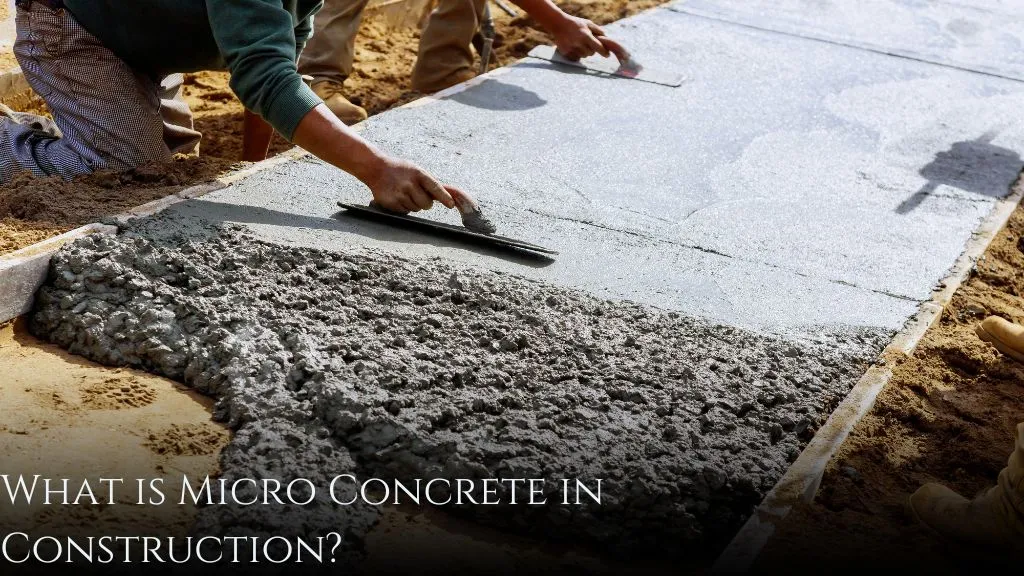
Are cracks, uneven floors, or boring concrete finishes giving you renovation stress? Same here. Traditional concrete often feels bulky, messy, and honestly… too much, especially when all you want is a clean, modern finish that lasts.
This is exactly where micro concrete fits in. Micro concrete is a thin, cement-based coating made with fine aggregates that gives a seamless concrete look without adding bulk. It can be applied directly over existing surfaces, making it ideal for modern homes and commercial spaces. From micro concrete flooring to walls, countertops, and even bathrooms, it delivers both strength and aesthetics in one go.
What makes it popular is how practical it is—lightweight, fast-setting, strong bonding, water-resistant, hygienic, and surprisingly cost-effective. Its uses range from decorative finishes to structural repairs, which is why architects and interior designers are quietly obsessed with it right now.
Micro cement is a coating that is cement-based and can be thinly applied on different surfaces including wood and tile. The layer could be approximately 2 mm to 3 mm. Micro concrete provides a feel of concrete cost within a fraction of the weight and cost of real concrete.
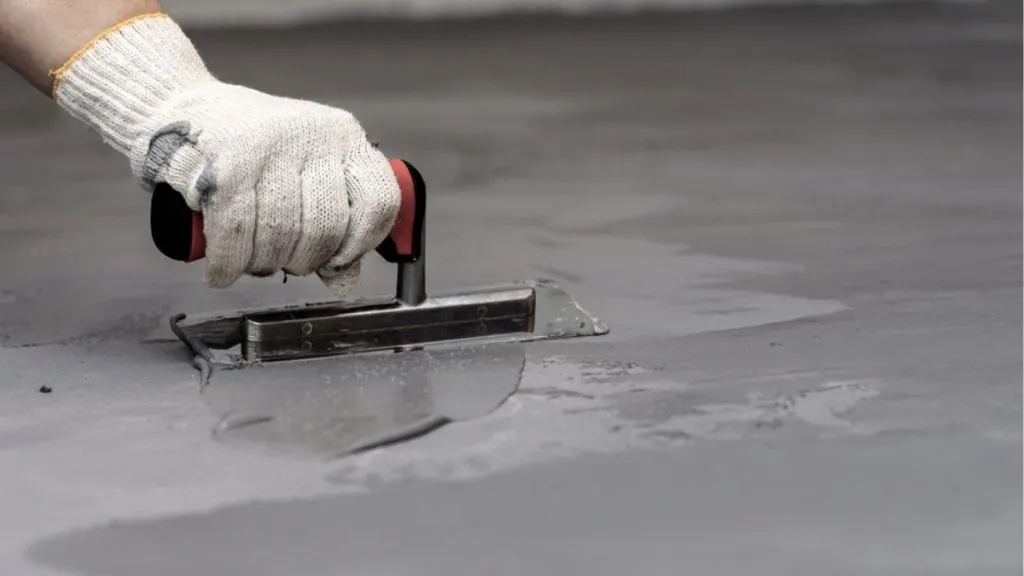
Micro concrete is usually available in a prepackaged mix so that it is easy to prepare and place with no skilled labor. This concrete need not be mixed on the site which avoids human errors completely. It is an easy surface choice for all kinds of environments where a faux concrete finish is needed. Micro concrete is also suitable for giving a concrete finish to restricted spaces and can be handled by those with limited concrete laying skills.
Micro concrete’s initial usage was to develop a decline in water demand used in normal concrete. Micro concrete can establish a good bond which can repair aging or cracks in concrete structures. Moreover, micro concrete means reduced cost of repair as it does not require heavy machinery to place them unlike natural concrete.
Micro concrete can dry very quickly and the surface over which it is laid can function within a day. Thus, micro concrete is ideal for homeowners and designers who wants to decorate the surface of their buildings without any disruptions.
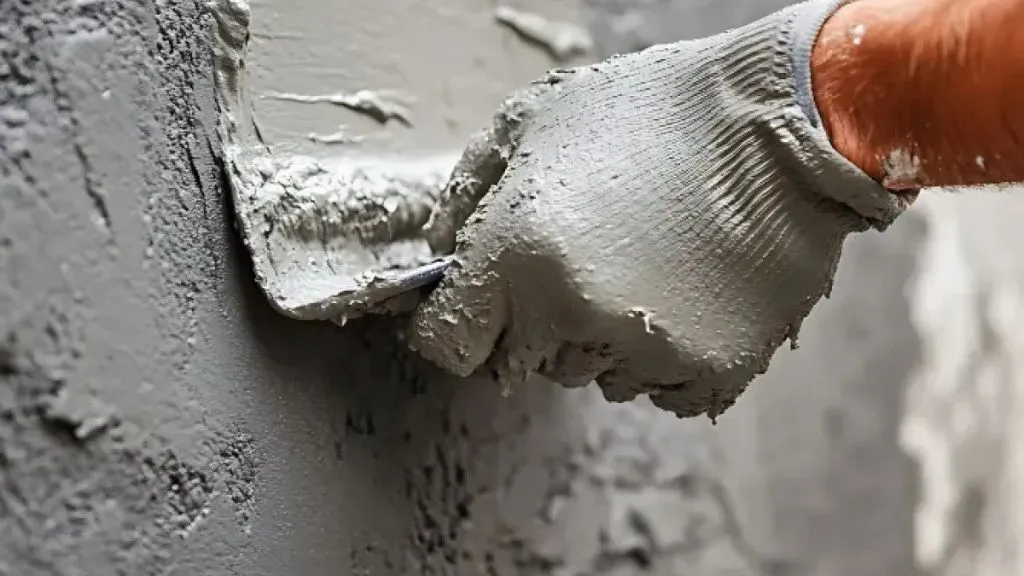
Surfaces over which micro concrete is to be applied must be first prepared by washing, removing chemicals, gravel, dirt, and dust from it. Water blasting, acids or water can be used to clean the surfaces. Steel bars and corroded materials must be cleaned and coated before micro concrete is applied on them.
Micro concrete mix can be manually prepared in a mixing vessel especially if large quantities are to be obtained. The water required for making micro concrete may vary based on the mix but commonly it is a ratio of 1:8 of water and micro concrete. This mixture is prepared by gradually adding micro concrete to water while being continuously stirred.
The mix of micro concrete and water is placed as soon as it is made to ontaind the perfectflow and consistency. After placing, suitable tools are used to smoothen the mixture out and then it is permitted to dry.
Micro concrete applications stand aloof with certain advantages to its name. Here’s a list of them:
Micro concrete flooring has quietly become the go-to choice for modern spaces because it delivers that clean, raw concrete look without heavy construction or thickness. Also known as microcement flooring, it’s applied in thin layers, works on existing surfaces, and creates seamless, joint-free finishes that feel premium yet practical. From homes to cafés and offices, it blends style with strength and low maintenance, which is why designers love recommending it.
When it comes to micro concrete flooring cost, it usually sits in a sensible range—not dirt cheap, but worth it for the durability, water resistance, and long life it offers. If you want a modern finish that upgrades floors without tearing everything down, micro concrete flooring is one of those solutions that just… makes sense.
To Know More Visit: Propertygeek