Nobody has three days to wait for a pair of jeans to dry indoors. Once the heavy rains hit, hanging damp laundry under a ceiling fan just leaves your home smelling musty and looking cluttered.
If you’re hunting for a reliable cloth drying solution for indian monsoons, grabbing a good clothes dryer is easily the smartest home upgrade you can make. Having tested and evaluated multiple models over back-to-back rainy seasons, I’ve cut through the hype. Whether you want a standalone best cloth dryer or a space-saving combo, here is my takeaway on the best dryer in india market right now, helping you pick the best clothes dryer for your home without the guesswork.
When I first started looking for a cloth drying solution for indian monsoons, the mistake of looking only at the price tag was made. But after managing heavy laundry loads through two relentless rainy seasons, a few key technical specs turned out to be far more important.
1. Dryer Type: Venting vs. Condenser vs. Heat Pump
Vented Dryers: Hot air gets blown out through a flexible wall hose. They are usually the most affordable options, but an open window or utility balcony is required.
Condenser Dryers: Moisture is extracted from clothes and collected in a removable tray or drained out via a small pipe. No external wall ducting is needed, making them ideal for enclosed urban flats.
Heat Pump Dryers: Heat is recycled at gentler temperatures. Though initial costs are higher, monthly power bills are kept significantly lower over time.
2. Matching Drum Capacity
Matching drum size with your actual family routine matters. For a family of three or four, a 7 kg or 8 kg capacity ensures garments can tumble freely without getting bundled into damp rolls. For solo living or couples, a 5.5 kg drum does the job well.
3. Essential Features That Save Time
Anti-Crease Tumbling: The drum periodically reverses rotation so clothes aren’t left tangled or heavily wrinkled.
Smart Moisture Sensors: Moisture levels are tracked automatically so the cycle stops the second clothes hit 100% dryness. Power isn’t wasted, and delicate fabrics are protected from overheating.
Refresh / Allergy Cycles: Musty damp odors are flushed out using cool air streams and high-temp steam, keeping garments genuinely hygienic.
Top Clothes Dryer Machines for Indian Monsoons: My Tested Picks
When friends ask for my opinion on the best cloth dryer for humid weather, these four models consistently top the list based on real-world performance, durability, and fabric protection.
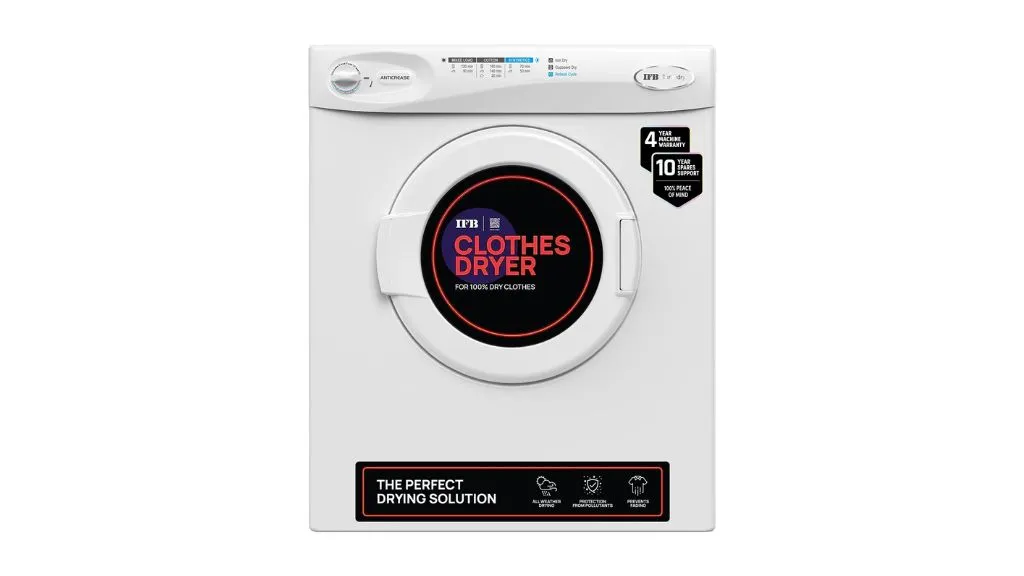
1. IFB Turbo Dry 5.5kg Dryer
If compact size and straightforward operation are what you need, this compact tumble dryer remains a solid pick. Having seen how well it fits into small apartment utility balconies, its upside-down wall mounting capability is a huge space-saver.
Why it works: The 6-program setup combined with anti-crease rotation keeps clothes from getting tangled. The Refresh cycle is particularly useful when damp uniforms need a quick deodorizing airflow without full heat.
Best suited for: Couples, small families, or homes with limited floor space.
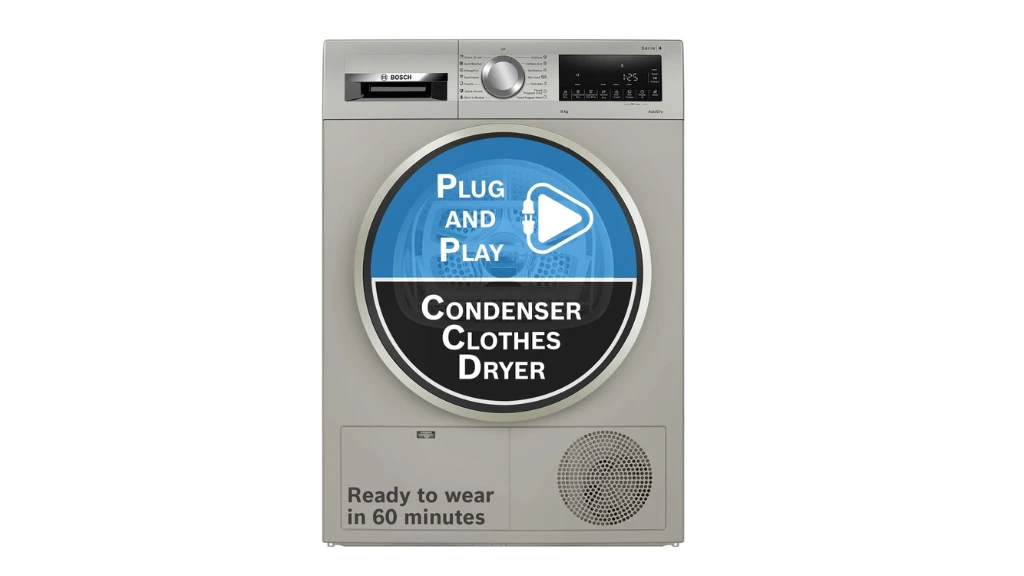
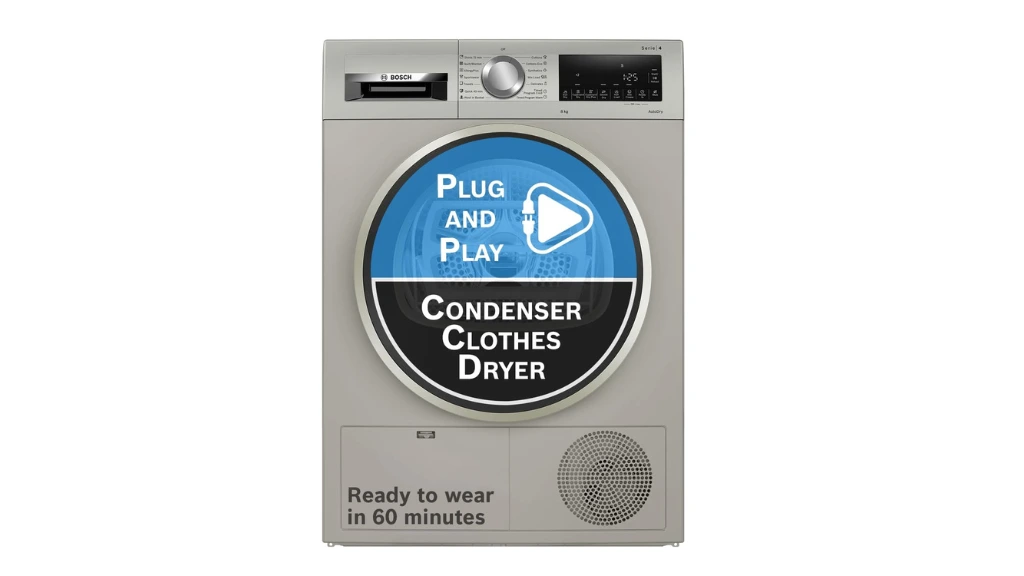
For medium to large households dealing with endless piles of laundry, this standalone condenser model is widely considered a good clothes dryer workhorse. Since moisture is collected internally, no extra wall vent pipe needs to be routed outside.
Why it works: Built-in Duo-Tronic moisture sensors continuously monitor temperature. The machine automatically stops the moment clothes are 100% dry, which prevents fabric shrinkage and saves electricity.
Best suited for: Families of 4 or more who want set-it-and-forget-it reliability.
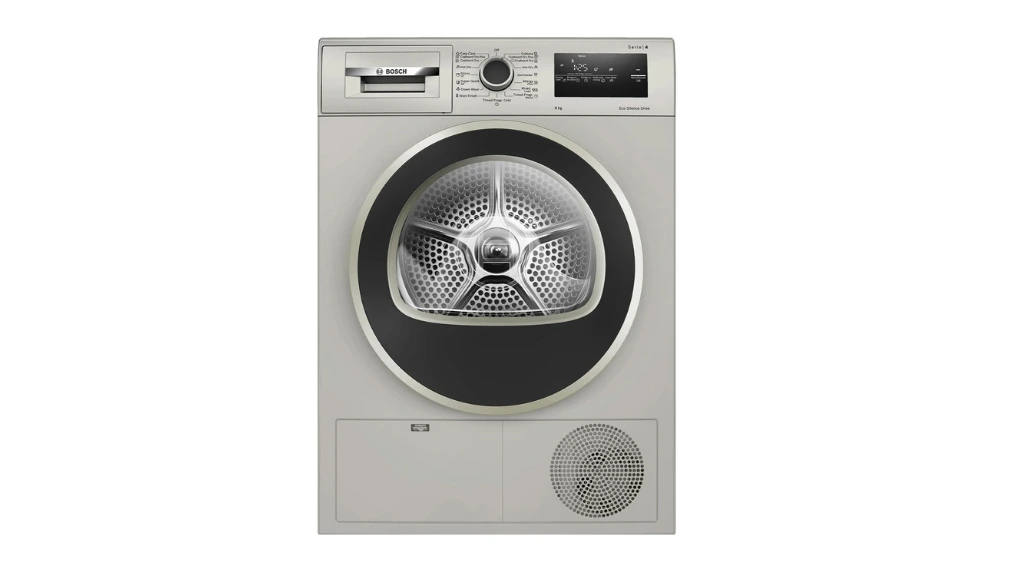
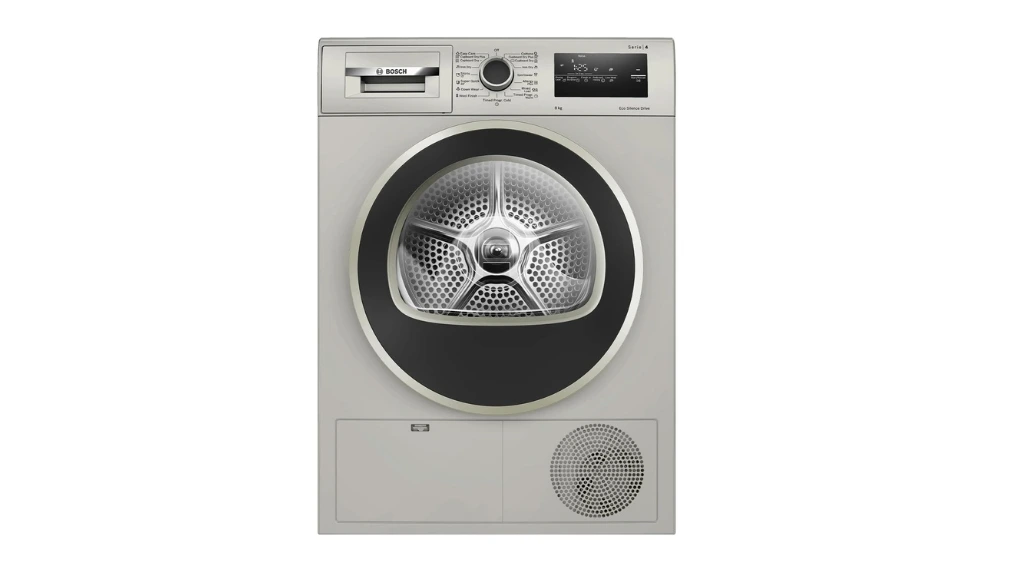
If low operating noise and delicate fabric care are top priorities, this premium inverter model easily ranks among the contenders for the best dryer in India.
Why it works: Equipped with AntiVibration side panels and a brushless inverter motor, vibrations are kept remarkably low during high-speed tumbles. Dedicated cycles for sportswear, woolens, and delicate silk garments ensure sensitive fabrics are never ruined by harsh heat.
Best suited for: Modern homes where quiet nighttime operation and fabric longevity matter most.
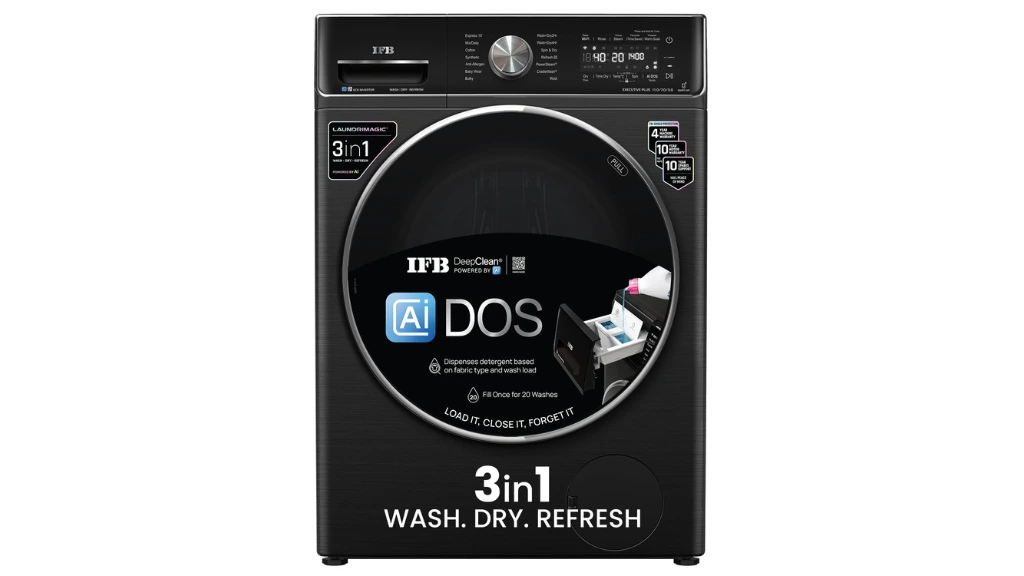
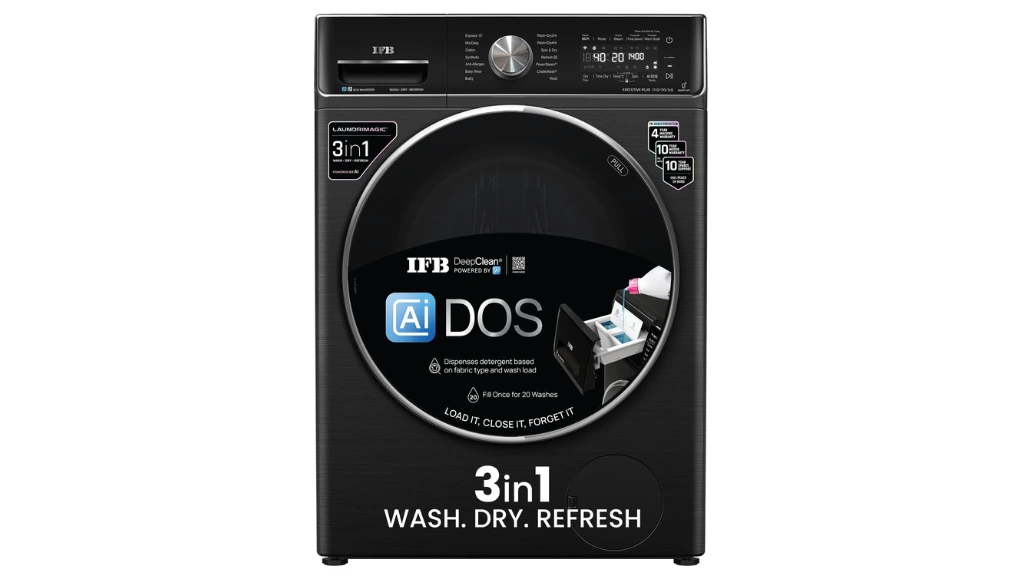
For those who simply don’t have room for two separate machines, an all-in-one washer-dryer combo offers a practical compromise.
Why it works: Washing, drying, and steam-refreshing are all handled within a single drum. Dirty clothes go in, and completely dry, wrinkle-free clothes come out without any manual transferring in between.
Best suited for: Compact kitchens or tight balconies where installing two separate appliances is impossible.
Living with wet laundry hanging around the house isn’t something anyone should settle for. Getting a good clothes dryer isn’t just a luxury anymore, it’s a massive quality-of-life upgrade that gives you back your indoor space, keeps your home smelling fresh, and saves you hours of daily frustration.
Whether you opt for a compact wall-mounted unit like the IFB Turbo Dry, a standalone condenser setup from Bosch, or an all-in-one washer-dryer combo, investing in the best clothes dryer suited for your space ensures monsoon season never slows down your routine.
Best Clothes Dryer Machines For Monsoon In India FAQ’s:
Which type of dryer is best for Indian monsoons?
Condenser dryers and heat pump dryers are ideal for most urban Indian homes. Since they don't require external wall ducting, they can easily be installed in indoor utility balconies or kitchens.
Does a clothes dryer ruin delicate fabrics?
Not if you use the correct setting. Modern dryers come with moisture sensors and dedicated "Gentle" or "Delicate" low-heat cycles designed specifically to protect woolens, silks, and synthetic blends from shrinkage.
How much electricity does a clothes dryer consume per load?
A standard vented or condenser dryer uses around 1.5 to 2.5 units (kWh) per full drying cycle. Energy-efficient heat pump dryers use up to 50% less power, making them a great choice if you plan on running the machine daily during monsoon months.
Is a 2-in-1 washer-dryer combo better than a standalone dryer?
If floor space is tight, a washer-dryer combo is a fantastic 3-in-1 solution. However, if space permits, standalone dryers usually dry clothes slightly faster and allow you to wash one load while drying another.
Posted by
Akshata Joshi
Akshata Joshi is a content writer with over three years of experience in the real estate field, specializing in crafting clear and engaging real estate insights. With a keen eye for detail and a passion for research, she delivers informative content that resonates with readers. When not writing, she enjoys exploring new places, reading books, and unwinding with music.
Connect her on Instagram