How Interest Rate Changes Affect Home Loan Demand & Property Prices
February 19, 2026
Checking your bank statement lately has felt a bit like watching a horror movie where the villain just won't stay…

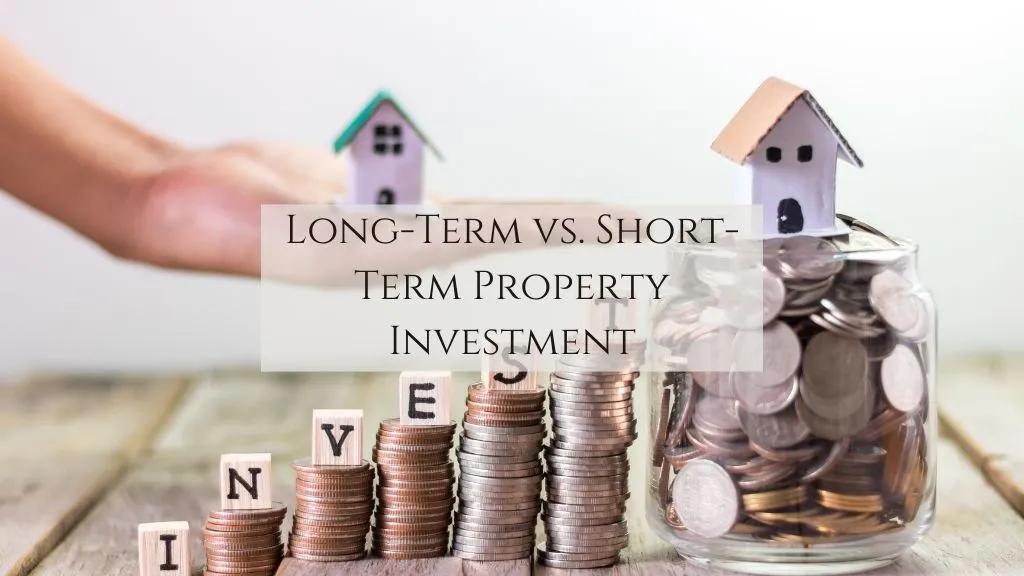
Building a house or buying a flat in 2026 feels like being a kid in a candy store, except the candy costs 1.5 Crore and every relative has a different opinion on whether you should “flip it” or “keep it forever.”
Last week, my neighbor Ramesh was bragging about a 25% profit he made by selling a plot in Noida within 14 months. Meanwhile, my uncle has been holding a 3BHK in South Delhi since the 90s, and his “rental yield” alone now pays for his yearly Europe trips. It got me thinking: in this crazy 2026 market, short term vs long term, what’s actually the winner?
If you’re scratching your head over the difference between long term and short term, or wondering if you should park your money for 11 months or 11 years, you’re in the right place. Let’s break down the real estate returns in india and see where you fit.
Before we dive into the “best” one, let’s be clear on what are short term investments in the property world. Usually, if you buy and sell within 24 months, you’re in the “short-term” lane. Anything beyond that, especially the 5-10 year bracket, is where long term investments live.
This is for the adrenaline junkies. You buy an under-construction property from a reputable builder at a “pre-launch” price and sell it just as the project nears completion.
This is the classic Indian approach. You buy, you rent it out, and you let time do the heavy lifting. One of the biggest real estate benefits here is the power of compounding and consistent cash flow.
| Feature | Short-Term Investment | Long-Term Investment |
| Duration | 1 – 2 Years | 5 – 15+ Years |
| Risk Level | High (Market sensitive) | Low to Medium (Stable) |
| Taxation | At your Income Slab Rate | 12.5% (New 2026 Rules) |
| Typical Returns | 15-20% (Total) | 8-10% (Annualized) + Rent |
| Effort | High (Finding buyers fast) | Low (Managing tenants) |
While Ramesh made a quick buck, most of us don’t have the stomach for that kind of stress. Here is why long term investments are often the “smarter” play for a Property Geek:
In 2026, the taxman has made his stance clear. If you sell a property within 24 months, your profit is treated as “Short Term Capital Gain” and added to your income. If you’re in the 30% bracket, there goes your profit! But for long term investments, you enjoy a flatter 12.5% tax rate. That’s a massive difference between long term and short term that can save you lakhs.
With the rise of “managed rentals” and co-living spaces in cities like Bangalore and Pune, real estate returns in india aren’t just about selling price anymore. A good property in a tech hub can give you a 3-5% rental yield annually. Over 10 years, that’s almost 40% of your property cost recovered just in rent!
Real estate is one of the few assets that actually grows faster than the price of milk and petrol. When you compare the difference between short term and long term, the long-term holder survives the “market corrections” that trap the short-term flippers.
I’m not saying short term investments are bad. They are just… different. You should look at them if:
(Hehe, just don’t do what my cousin did, buying a “short-term” plot in a forest and then realizing the road won’t be built for another decade. That’s how a short-term plan accidentally becomes a long-term nightmare!)
In 2026, the “Goldilocks” strategy is to think long-term but stay flexible. If you’re building wealth for your family, long term investments are the way to go. The tax perks, the rental income, and the peace of mind are simply unbeatable.
But if you have the “hustle” and a bit of extra cash, a cheeky short-term flip in an upcoming suburb can be a great way to boost your portfolio, just watch out for those slab-rate taxes!