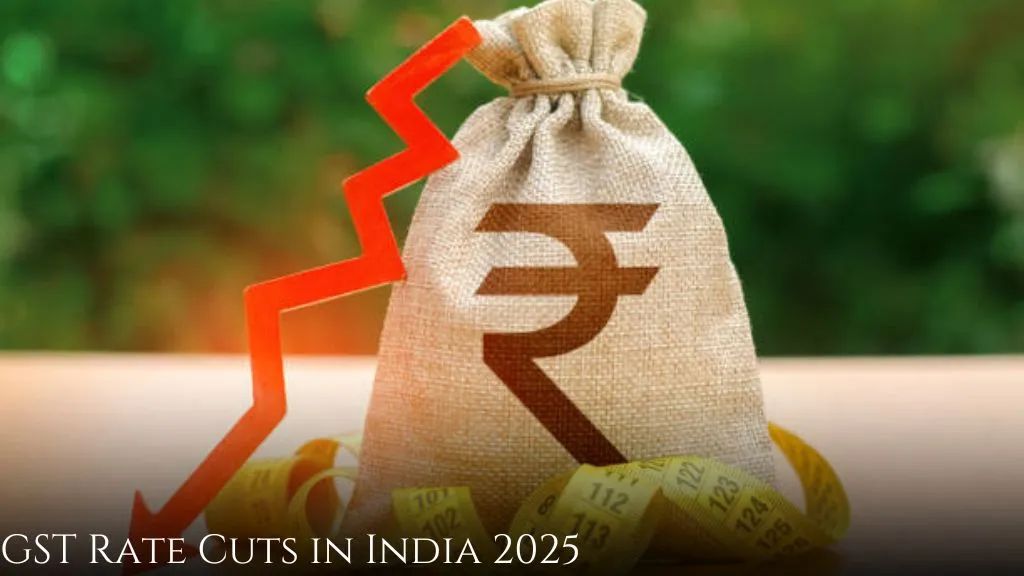
You know what’s funny? Every time I think I finally understand GST rates in India,suddenly another update comes in and I’m back to Googling the gst percentage list like a clueless student before exams. Honestly, if you’ve also been trying to keep track of the new gst rate list for 2026, same pinch.
It feels like a never-ending plot twist in our financial life. And the gst rates in India (item wise) change so often that even shopkeepers give that “haan madam, abhi naya rate aaya hai” face. So I sat down, dug through all the updates, and here’s the simplest version we all actually understand.
What Changed in GST 2.0? Updated GST Rate Structure 2026 Explained
Five slabs, compensation cess, weird classifications… even Google used to get confused when I searched gst percentage in India.
But with GST 2.0? Finally, someone cleaned the cupboard.
The government has trimmed the earlier 0%, 5%, 12%, 18% and 28% structure into a simple, almost peaceful format:
0% (Nil GST)
All the must-have things, essential food items, life-saving medicines, educational and healthcare services, and even individual insurance policies. Basically… the things we actually need to survive.
5% (Mass Consumption Slab)
Daily-use goods like packaged food, personal care essentials, affordable clothes, bicycles, utensils… all moved here. This is where most middle-class families will actually feel the difference. (And yes, FMCG brands must be breathing better now.)
18% (Standard Rate)
Electronics, small cars, cement, normal consumer durables, basically the “big purchase” category but not luxury. This slab replaced the earlier 18% + 28% confusion for many items.
40% (Special Sin + Luxury Slab)
Luxury cars, tobacco, carbonated drinks, these guys got bumped to a flat 40%. No more “28% + so-and-so cess.” It’s all straight-forward.
So Why did the Government Simplify the GST rate list Suddenly?
The older slabs had overlaps… like one biscuit packet used to be 12% and another 18%. No one knew why.
Businesses were making mistakes, accountants were crying, consumers were confused.
The GST Council literally said the goal is “to simplify, rationalize, and boost consumption.”
And honestly, lowering rates for essentials + FMCG + daily goods is a direct push for the economy.
Plus, GST compliance becomes easier when you’re not decoding mini-maths every month.
Major GST Rate Cuts in 2026: Impact on FMCG, Food, Automobiles & Essentials
If I have to sum it up in one line? Everyday items finally became… everyday. Not luxury. Not “wait till salary day.” Just normal, affordable stuff. Let’s break down gst percentage in india:
1. FMCG & Daily Essentials
This is where the actual relief happened. All the things we buy without even thinking twice? Shampoo, soap, biscuits, paneer… those.
Shampoo, hair oil, toothpaste, soaps → Used to be 18% → Now 5%
Butter, ghee, cheese, dairy spreads → 12% → Now 5%
Packaged snacks like namkeens, biscuits, pasta → 12%/18% → Now 5% Good days for snack lovers.
Paneer (pre-packaged), UHT milk → 5% → 0% Literally tax-free! Paneer is now emotionally and financially available.
This single category itself touches almost every household in India. So yeah, big win.
2. Automobiles & Electronics
This is the stuff that actually dents the bank account.
Small cars → 28% → Now 18% If you’re planning to buy your first car, 2026 is literally clapping for you.
Motorcycles up to 350cc → 28% → 18% Basically, your regular bikes became more budget-friendly.
TVs, ACs, dishwashers → 28% → 18% Finally, buying an AC won’t feel like paying for a luxury vacation.
Cement → 28% → 18% Builders, contractors, and home-owners all cried happy tears.
This is one of the biggest categories because 28% was honestly too harsh for everyday electronics.
3. Healthcare, Education & Farming
Health & Life Insurance → 18% → Now completely 0%
Life-saving medicines → 5–12% → Now 0% or 5% Incredible move.
Thermometers, surgical tools → 18% → 5% Small cut, big impact.
Agricultural machinery (tractors, drip irrigation) → 12–18% → Now 5% Farmers genuinely benefit from this.
School supplies (pencils, erasers, notebooks) → 5–12% → Now 0% Makes education a little lighter on the pocket.
4. Food Items That Are Now GST-Free
This one shocked me personally:
Rotis, chapatis, parathas → 5% → 0%
Paneer → 5% → 0%
UHT milk → 5% → 0%
Basically, the staple food of Indian kitchens is finally tax-free. Imagine paying tax for chapati?? 2024 feels like a fever dream now.
5. Sin Goods & Luxury Goods
Luxury cars → From 28% + cess → to a straight 40%
Carbonated/caffeinated drinks → Now 40%
Tobacco, gutkha, pan masala → 40% + new cess/excise duty
But honestly, it makes sense. Funding public health and discouraging harmful products.
But overall… who benefitted the most?
Middle-class households, absolutely. Because the biggest GST rate cuts of 2026 happened exactly where the middle class spends most of its money. Food, FMCG, small electronics, school stuff, health insurance.
Also, small businesses got relief from rate confusion and random classification chaos.
GST Rate List 2026 (Item Wise): Updated GST Slabs in India After GST 2.0
Here is the gst rates in india item wise: (Effective from 22 September 2026- GST 2.0)
Basically if it’s not essential and not luxury- it’s 18%.
GST 40%- Luxury / Sin Goods
Automobiles
Luxury cars
Mid-size sedans above small car limit
High-end SUVs
Lifestyle & Beverages
Carbonated and caffeinated drinks
Energy drinks
Tobacco & Related
Cigarettes, gutkha, pan masala
Chewing tobacco
Vapes (applicable with new cess)
These stayed expensive because… well, they want to fund national health.
GST Percentage List 2026
GST Slab
Items Covered
0%
Essentials, paneer, milk, stationery, life insurance, life-saving drugs
5%
FMCG, kitchenware, personal care items, packaged food, tractors
18%
Small cars, bikes, electronics, cement, consumer durables, restaurant services
40%
Luxury cars, tobacco, carbonated drinks, sin goods
Conclusion: What GST 2.0 Means for Consumers & Businesses in 2026
The whole gst rate list is shorter, easier, and honestly kinder to our pockets. Essentials are cheaper, daily-use things don’t feel like a luxury anymore, and even big buys like a small car or appliances finally look a little… possible.
The new gst percentage in India actually makes sense, and the gst percentage list now has only a few slabs instead of that long complicated chart we used to google during every purchase.
Of course, people are still confused, WhatsApp University is still sending “GST 18% on everything” messages, but honestly, once you look at the updated gst rates in India item wise, you’ll get a clear picture. It’s much simpler now.
Anyway, long story short: Cheaper grocery runs, better deals on essentials, more clarity for businesses, fewer surprises on bills, and slightly happier families at supermarkets.
GST Rate Cuts in India FAQs:
1. Are these new GST rate cuts actually helpful or just hype?
Honestly, they’re helpful. I felt it myself when basic things like shampoo, soaps, biscuits suddenly felt cheaper. It’s not a massive difference, but when you buy 8–10 items together, the bill genuinely drops a bit. So yeah, it’s not hype, it shows.
2. What are the main GST slabs now in India?
So GST 2.0 basically cleaned up the mess. Now we have 0%, 5%, 18%, and a special 40% for luxury/sin goods. That’s it. Much easier than those earlier 5 different slabs.
3. How do I know the GST percentage on the things I buy?
I usually just check the bill or google the gst percentage list, because now the slabs are super simple. Essentials - 0% or 5%. Normal stuff - 18%. Only fancy-expensive things go into 40%.
4. Why are some items now 0% GST?
Because the govt wants essentials like life-saving medicines, bread, notebooks, etc. to be more affordable. And honestly, good move. These things shouldn’t feel like luxury items.
5. Will the GST rates change again?
For now, the GST Council has clearly said this structure is for the long-term, so I don’t think it’s changing anytime soon.
Posted by
Akshata Joshi
Akshata Joshi is a content writer with over three years of experience in the real estate field, specializing in crafting clear and engaging real estate insights. With a keen eye for detail and a passion for research, she delivers informative content that resonates with readers. When not writing, she enjoys exploring new places, reading books, and unwinding with music.
Connect her on Instagram