Average Apartment Price in Whitefield 2026: How Much Does a 2 BHK Cost in Whitefield?
September 30, 2026
Understanding the average apartment price in Whitefield is one of the first steps for anyone planning to buy a home…

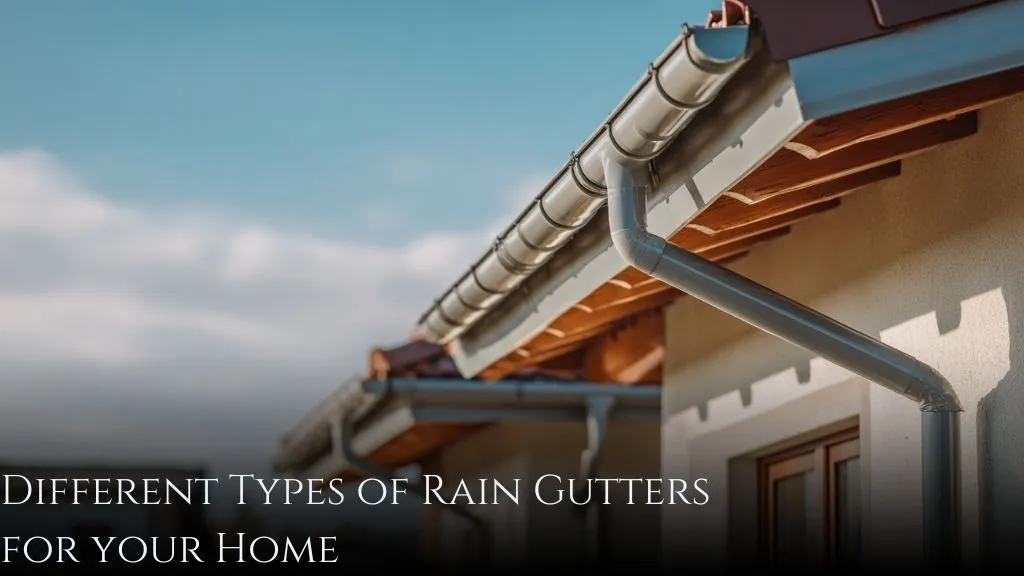
Nobody actually wants to spend their Saturday morning thinking about gutters. Usually, we only notice them when it’s pouring rain and there’s a literal waterfall splashing right over the front door because the “trusty” old pipe is clogged or leaking.
But here is the thing: choosing the right house rain gutter systems is actually one of the most important “boring” adult decisions you’ll make for your home. Get it wrong, and you’re looking at foundation rot, basement flooding, or ruined landscaping. Get it right, and you won’t have to think about them for another 20 years.
So, if you are currently staring at a brochure of different types of rain gutters and feeling totally overwhelmed, don’t worry. I’ve been there, and I’ve done the homework for you. Let’s break down the roof gutter types so you can pick the one that actually works for your house and your budget.
I used to think a gutter was just a plastic U-shape thingy. Boy, was I wrong. The types of gutters you choose determine how much water your roof can shed during a storm. If you live in an area with crazy monsoon rains or heavy autumn leaves, a standard gutter just won’t cut it.
A proper roof gutter design isn’t just about catching water; it’s about directing it away from your home’s “bones.” Without a solid system, water pools at the base of your house, and trust me, fixing a cracked foundation costs way more than a premium gutter install.
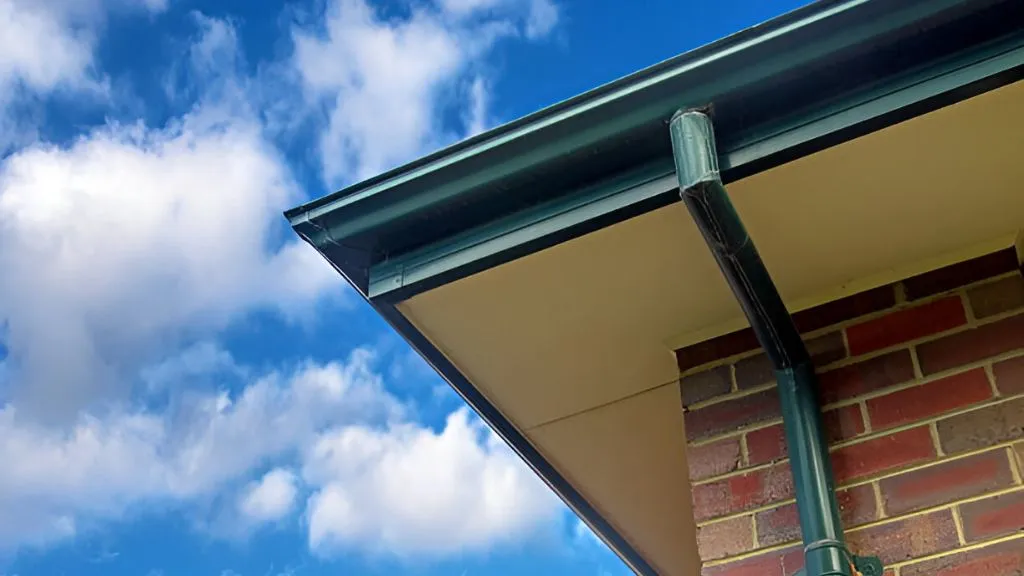
By far the most common roof gutter design you’ll see in modern suburbs. From the side, it looks like a “K,” but from the front, it looks like crown molding.
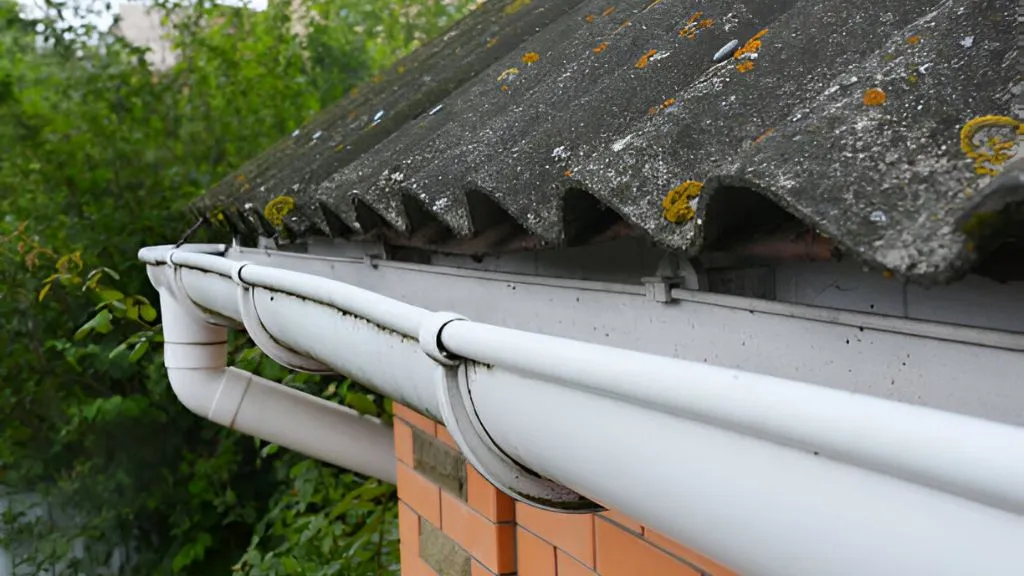
If you have an older, colonial-style home or a house with a “heritage” look, these are perfect. They look like a pipe cut in half.
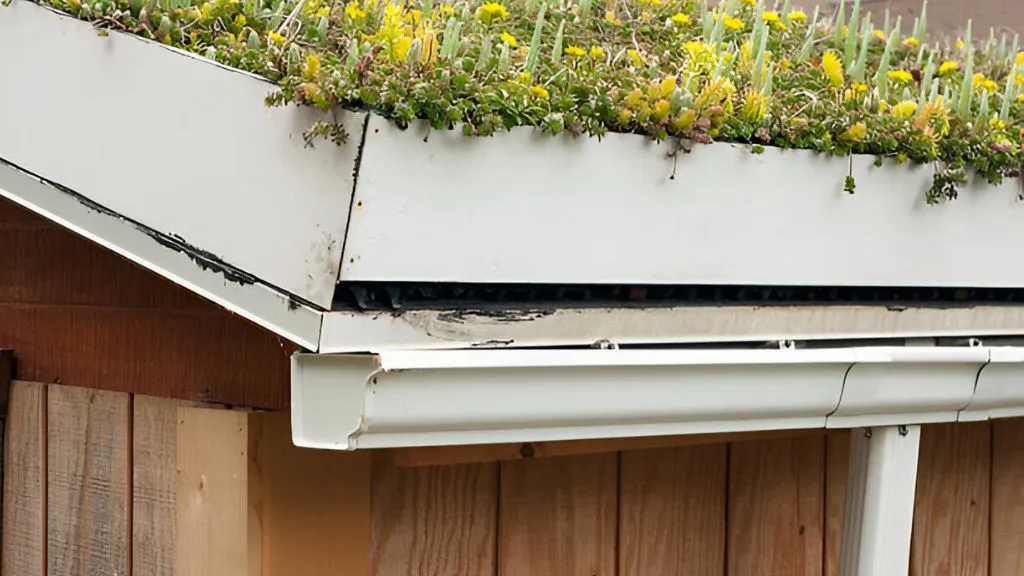
You’ll see these on commercial buildings or really big industrial-style homes. They are oversized and tucked under the roof shingles.
This is where most people get confused. You can have different types of gutters, but how they are put together matters most.
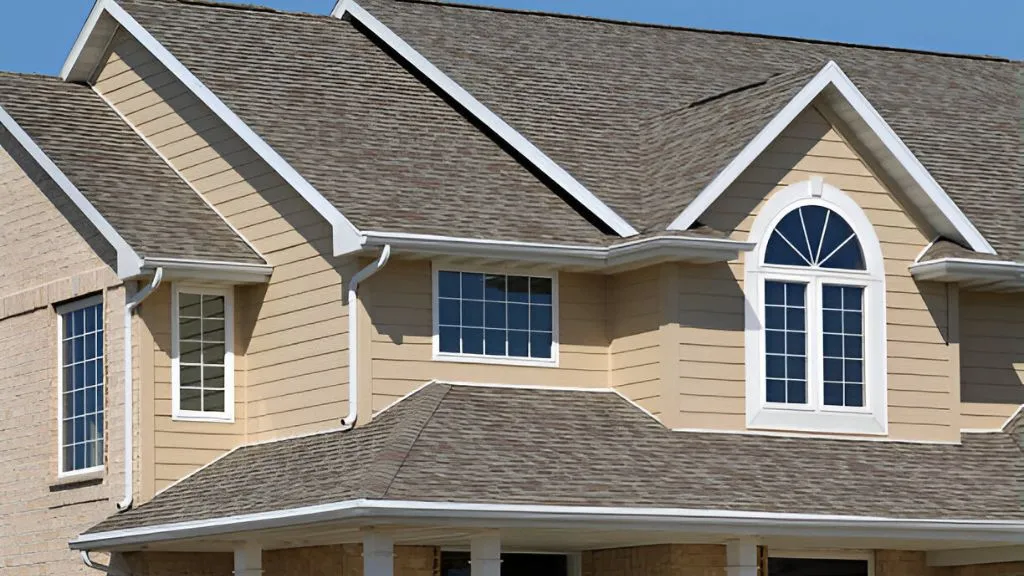
If you want types of gutters that blend into your home without any hassle, seamless gutters are a right choice. Seamless gutters are crafted from a single, continuous piece of material, eliminating the need for the multiple joints and connections found in traditional sectional gutters. This means there are no seams—hence the name—where leaks could potentially develop.
Seamless gutters are custom-made to fit your home perfectly, offering a streamlined look that’s both functional and aesthetically pleasing. This gutter type comes in a variety of materials, such as aluminium, copper, and steel, so you can easily find one that complements your home’s exterior. Plus, the lack of seams means less maintenance for you—who doesn’t love that?
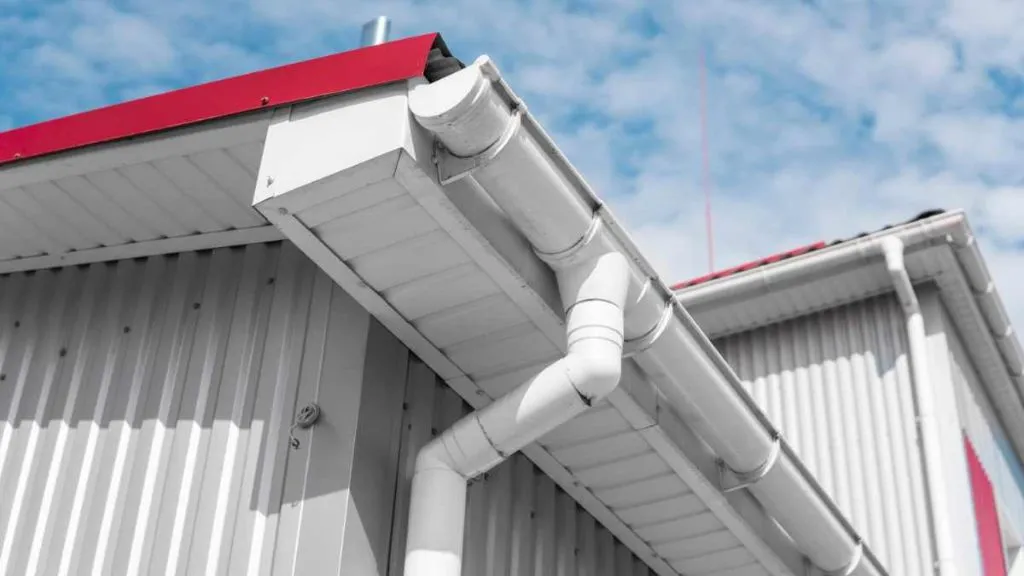
On the other hand, sectional gutters are the more traditional rain gutter style that you’ll find on many homes. These gutters are made up of individual sections that are joined together during installation. While they might be more affordable upfront, it’s essential to consider that the seams between sections can be a weak point where leaks may occur over time.
However, they’re easier to install, especially if you’re a DIY enthusiast looking to tackle the project yourself. These types of gutters also offer versatility, as they come in various materials and can be replaced section by section if needed. This makes sectional gutters a practical option for those looking to balance cost and ease of maintenance.
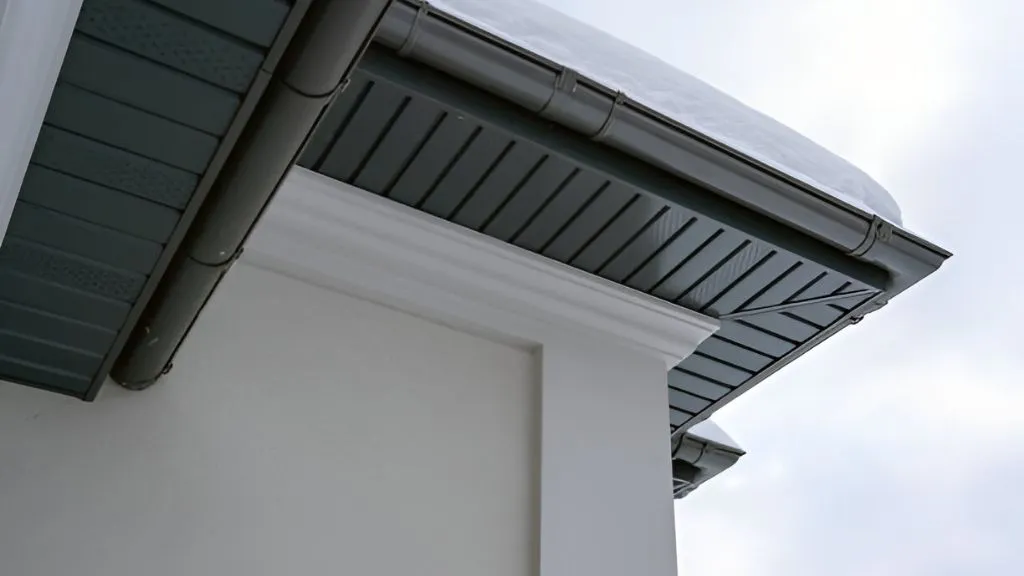
For a gutter type that’s both efficient and discreet, fascia gutters are worth considering. These gutters are designed to attach directly to the fascia board of your home, creating a clean, streamlined appearance that blends seamlessly with your roofline.
Fascia gutters are especially effective in regions with heavy rainfall, as their design allows them to handle significant volumes of water without overflowing. This rain gutter style is also less prone to clogging, which means less maintenance and fewer headaches for you. If you’re looking for types of gutters that combine functionality with a sleek, modern look, fascia gutters could be the perfect fit for your home.
Not all different types of rain gutters are made of the same stuff. Your choice here affects both the price and how long they last.
| Material | Durability | Price | Maintenance |
| Aluminum | High (Rust-proof) | Mid-range | Low |
| Vinyl (PVC) | Low (Can crack in sun) | Cheapest | Low |
| Copper | Forever (Develops patina) | Very High | Low |
| Steel | Very High | High | High (Can rust if not coated) |
Personal Note: If you’re on a budget but want quality, go for Aluminum. It’s the sweet spot for most rain gutter systems because it won’t rust and comes in tons of colors.
Size actually matters here. Most standard house rain gutter systems use 5-inch gutters. However, if you have a very steep roof or live somewhere with “bucket-loads” of rain, move up to 6 inches. A bigger gutter can handle about 40% more water volume. It’s a small price increase for a lot of peace of mind.
Also, don’t forget the downspouts! If your gutter is huge but your downspout is tiny, the water will just back up like a clogged sink.
To make it easy for your next contractor meeting, here is the breakdown of roof gutter types:
| Category | Options | Recommendation |
| Installation Type | Seamless vs. Sectional | Always go Seamless if you can afford it. |
| Gutter Shapes | K-Style, Half-Round, Box, Fascia | K-Style for durability; Half-Round for looks. |
| Materials | Aluminum, Vinyl, Copper, Steel | Aluminum for 90% of homes. |
| Size | 4″, 5″, 6″ | 6-inch for steep roofs and heavy rain. |
When looking at roof gutter types, each design has a specific job. Here is how they actually perform in the real world:
Unlike sectional systems, these are made from one continuous piece of metal.
The most common gutter shapes in modern house rain gutter systems.
The go-to for roof gutter design on historical or high-end custom homes.
Think of these as “Heavy Duty” Half-Rounds with the bead turned outward.
These are the types of gutters you use when a standard pipe just isn’t enough.
Built from a single long piece of aluminum to act as both a gutter and a fascia board.
Choosing between different types of rain gutters usually comes down to three things:
Why does it all matter? Because at the end of the day, a gutter is just a water-management tool. If it’s too small or leaks at the joints, it’s not doing its job, and your house’s foundation will pay the price.
At the end of the day, the best types of gutters for your neighbor might not be the best for you. If you have a historic home, go for the Half-Round. If you have a modern family home and just want something that works, go for the Seamless Aluminum K-style.
Investing in a high-quality roof gutter design is basically like buying an insurance policy for your foundation. Don’t cheap out on the joints!